

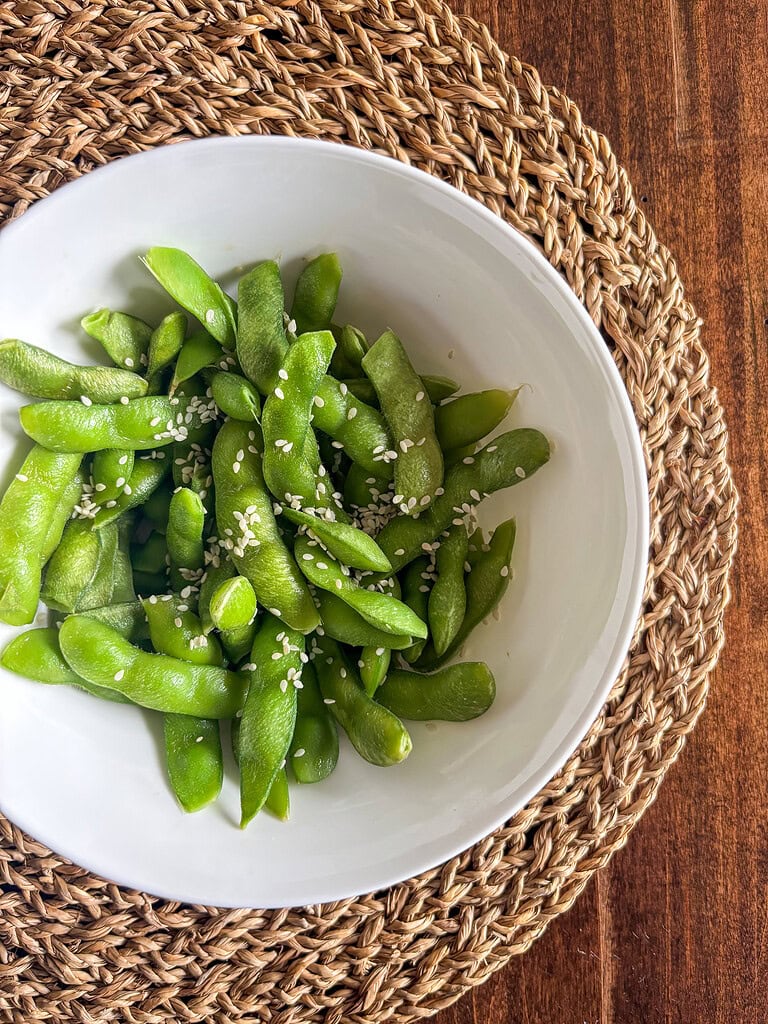
Easy Edamame
This easy edamame recipe is one of my go-to, dietitian picks for a high-protein, high-fibre snack or meal addition! Not only is it nutrient-rich and ready in under 5 minutes, it also hits the spot whenever I’m craving something savoury, crunchy, and earthy.
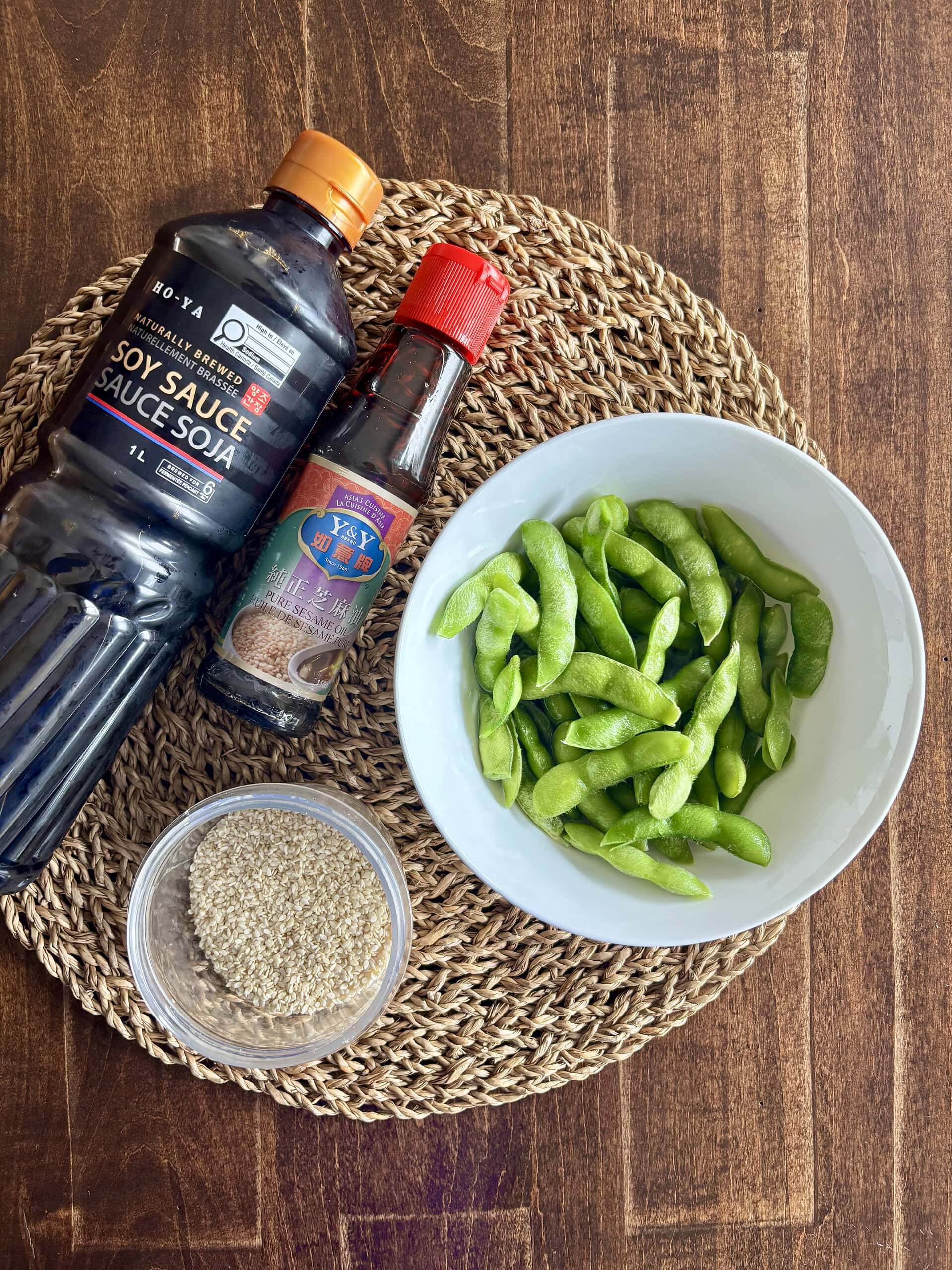
Four ingredients. Read on for my super simple recipe and key nutrition highlights!
What is Edamame?
Edamame (pronounced ed-uh-MAH-may) are young soybeans harvested before the seeds fully harden. Chinese, Japanese, and Hawaiian cuisine commonly feature this legume. Edamame has a subtle, slightly buttery flavour and a firm, satisfying texture.
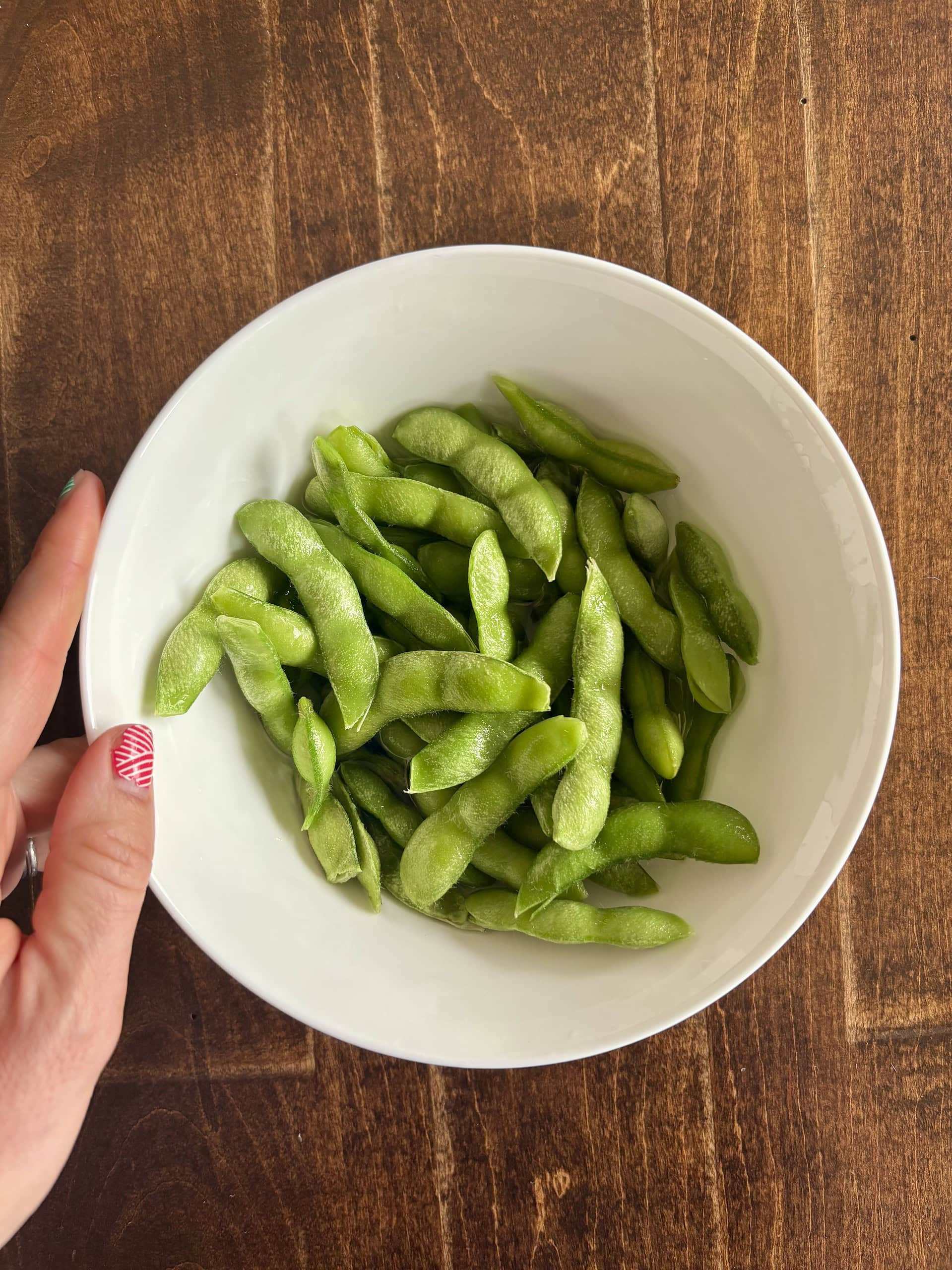
Fuzzy green pods, which contain the beans, are typically steamed or boiled, then served with a sprinkle of salt. To eat, simply squeeze the tender beans out of the pod. Shelled edamame is convenient for adding to dishes like stir-fries or soups, while in-the-pod is perfect for snacking.
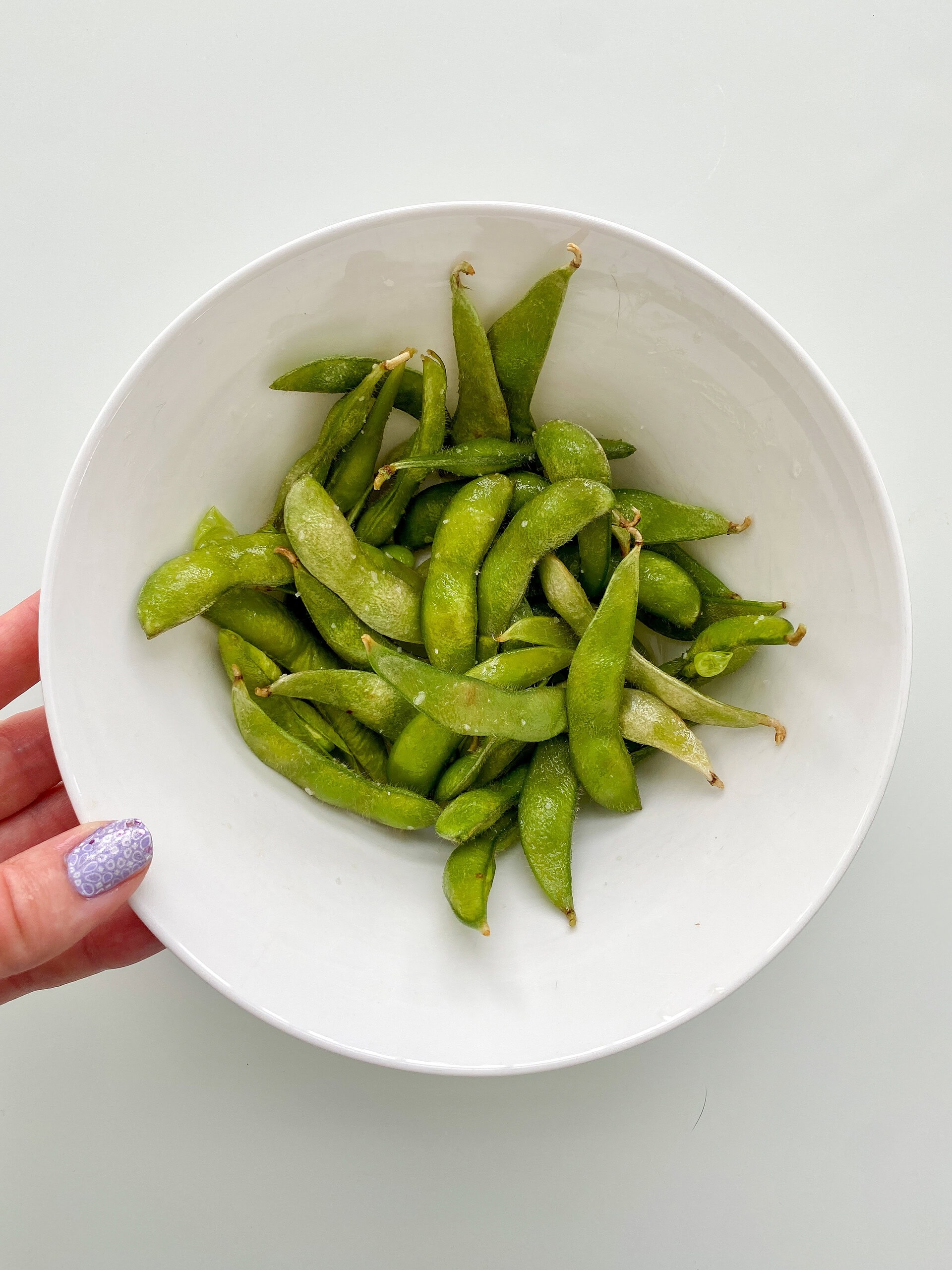
Edamame can be purchased in the pod or shelled.
Where Can I Buy Edamame?
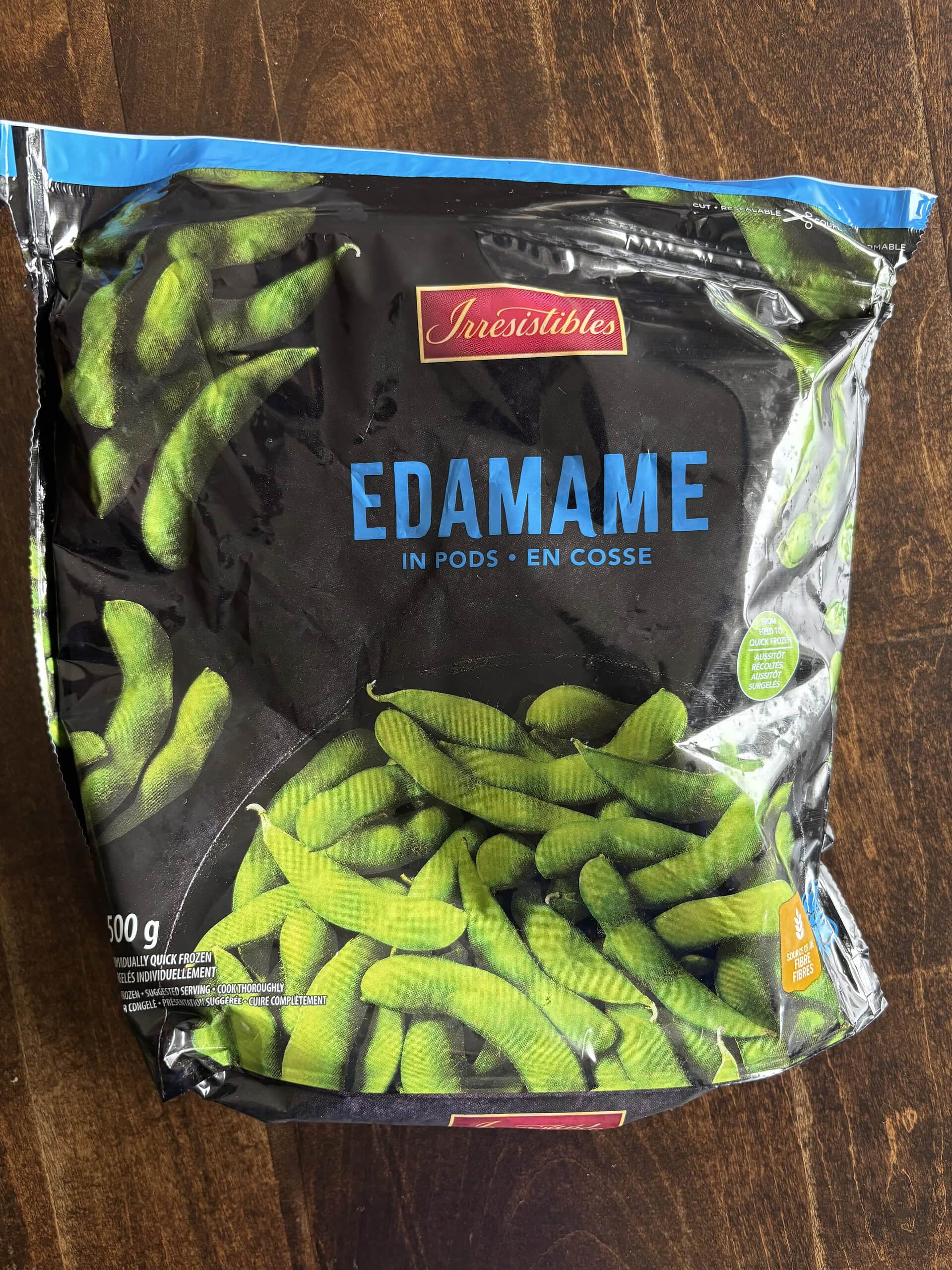
The frozen section of the grocery store commonly stocks edamame, though fresh or canned is often available, as well. When choosing frozen edamame, look for options with just one simple ingredient: edamame.

What is the Nutrition of Edamame?
A ½ cup serving of shelled edamame provides:
- ~120 calories
- 12 grams of plant-based protein (a complete protein with all essential amino acids)
- 8 grams of fibre to support fullness and digestion
- 45% of daily folate needs, important for red blood cell production and heart health
- 16% of daily magnesium needs, supporting muscle, nerve, and bone health
- 12% of daily iron needs, essential for oxygen transport and energy levels
- 12% of daily potassium needs, which supports healthy blood pressure
- Small amounts of vitamin A, vitamin C, and calcium
Interesting Fact
Edamame is a lower-carbohydrate option compared to many other legumes. In fact, there are only about 7 grams of carbs per ½ cup, compared to ~20 grams in cooked lentils and chickpeas.
Remember that legumes are nutritious choices. Therefore, edamame may be helpful for those looking to manage blood sugar levels with lower carbohydrate options that still fit their meals’ targets.
How Does Edamame Compare to Tofu?
Both edamame and tofu are excellent plant-based soy protein options, but they differ nutritionally.
- Edamame is higher in fibre, folate, vitamin K, and manganese.
- Tofu is more protein-dense per gram and provides more calcium and iron (depending on type), with fewer carbohydrates.
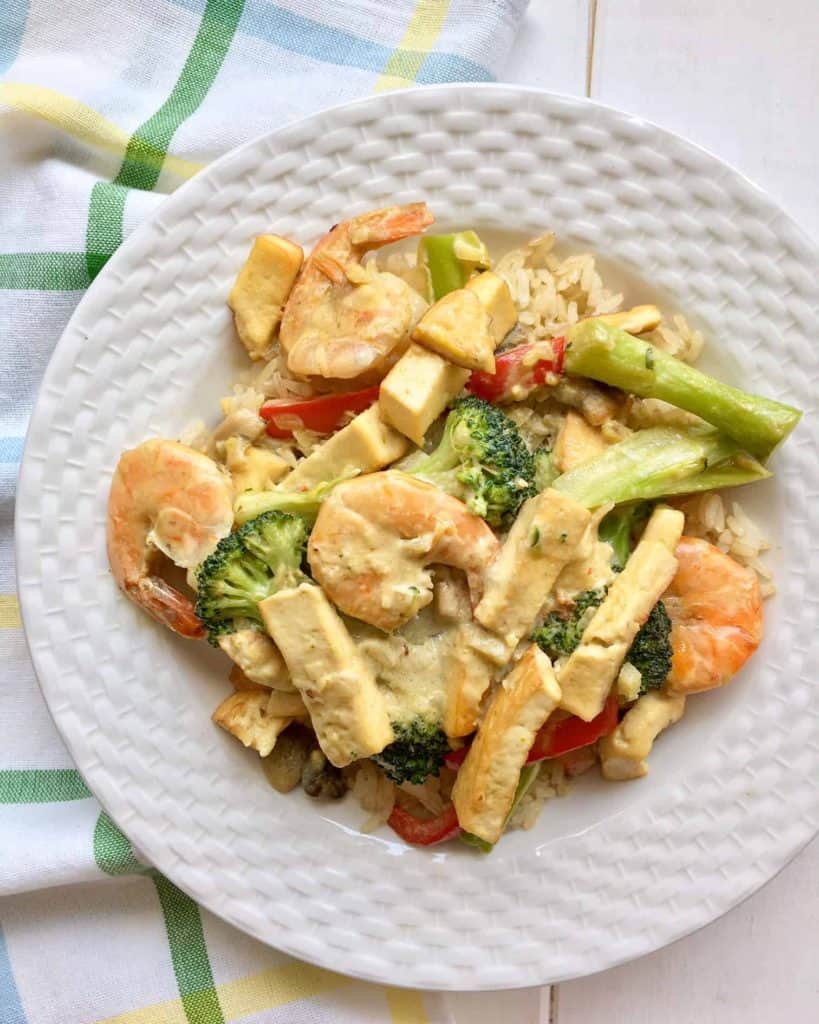
Check out our Tofu Green Curry with Shrimp recipe if looking for inspiration!
Is Edamame Healthy?
Absolutely! Edamame is a nutrient-dense, minimally processed whole food, enjoyable as a snack or part of a meal.
Research suggests that regularly consuming soy foods like edamame may support:
- Heart health
- Bone health
- Blood sugar control
- Weight management
Naturally occurring compounds in soy, called isoflavones, may also help reduce symptoms of perimenopause, such as hot flashes and night sweats.
Does Soy Increase Breast Cancer Risk?
No. The American Institute for Cancer Research has found no increased risk for breast cancer survivors who consume soy foods. In fact, some evidence suggests an association between moderate soy intake and improved cancer survival as well as reduced recurrence risk. The definition of moderate intake is 1–2 servings per day of whole soy foods, such as edamame, tofu, or soy milk.
Do I Need to Cook Frozen Edamame?
No, you do not need to cook frozen edamame due to its pre-blanching; however, it tastes best when served warm. See cooking methods below.
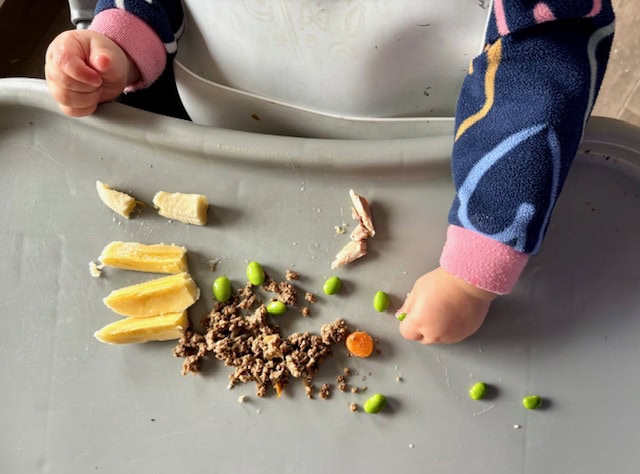
My one-year-old LOVES edamame!
Is Edamame Low FODMAP?
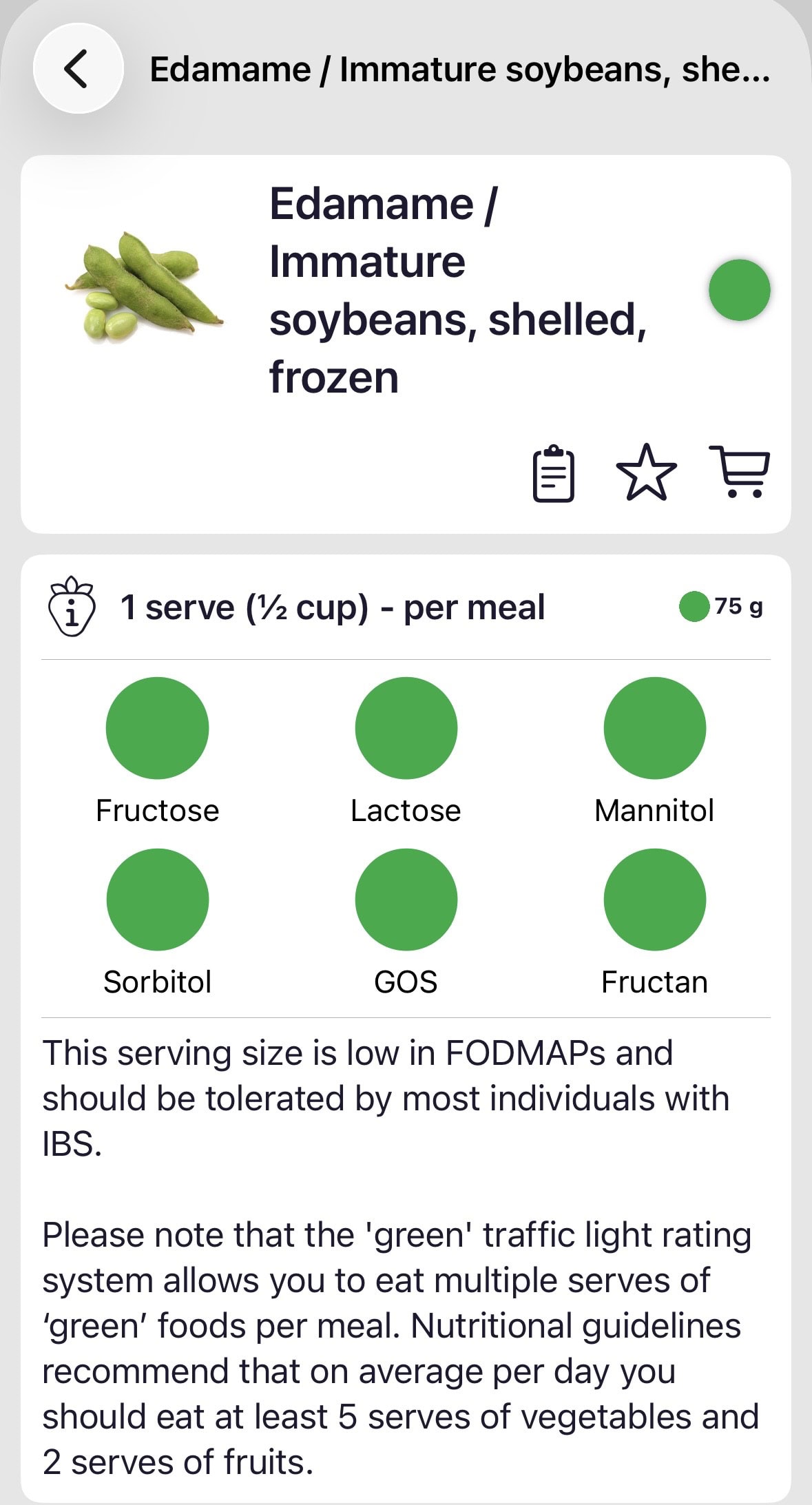
Yes, edamame is a low FODMAP option that’s safe to consume in moderate amounts for those with IBS (Irritable Bowel Syndrome) on this therapeutic diet. According to the Monash University, the Low FODMAP safe serving is 1/2 cup shelled or 1 cup in pods. A moderate serving (yellow for fructans) is a 1.5 cup serving. However, be sure to work with a trained Registered Dietitian if needing support for improving digestive discomfort like abdominal pain, bloating, and changes in bowel movements (diarrhea and/or constipation).
How to Prepare Edamame for Snacking
My preferred method is quick and simple:
- Place edamame in a microwave-safe bowl with a small amount of water.
- Microwave for 1–3 minutes, checking frequently to avoid overcooking.
- Drain and enjoy warm.
Other options:
- Boil in salted water for 3–5 minutes.
- Pour boiling water over edamame and let sit for 3–4 minutes.
- Run hot water over edamame in a colander for a quick thaw.
How to Include Edamame in Your Diet
- Enjoy as a simple snack or appetizer.
- Toss into stir-fries.
- Add to salads or grain bowls.
- Mix into soups or stews.
- Stir into rice or quinoa dishes.
- Blend into hummus.
- Mash into guacamole.
- Add to smoothies for a protein boost.
Easy Edamame Recipe
Ingredients
- 1 cup edamame (in pods, frozen or thawed)
- 1 tbsp water
Dressing:
- 1/2 tsp sesame oil
- 1/2 tsp low-sodium soy sauce
- Sprinkle of kosher salt and sesame seeds
Directions
- Place edamame in a microwave-safe bowl and add water.
- Microwave on high for 1–3 minutes, stirring halfway, until heated through.
- Drain any excess water.
- Drizzle with sesame oil and soy sauce, then toss to combine.
- Finish with a sprinkle of salt and sesame seeds. Serve warm.
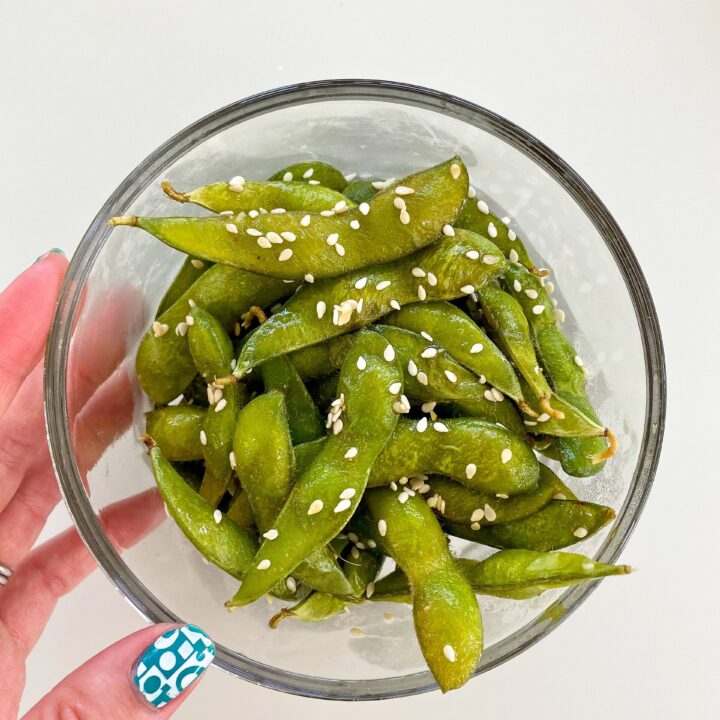
Easy Edamame Snack
Yield:
1
Prep Time:
1 minute
Cook Time:
2 minutes
Total Time:
3 minutes
Edamame is a high fibre, high protein, low calorie snack option that's ready in minutes.
Ingredients
- 1 cup edamame (in pods, frozen or thawed)
- 1 tbsp water
- 1/2 tsp sesame oil
- 1/2 tsp low-sodium soy sauce
- Sprinkle of kosher salt & sesame seeds
Instructions
1. Place edamame in a microwave-safe bowl and add water.
2. Microwave on high for 1–3 minutes, stirring halfway, until heated through.
3. Drain any excess water.
4. Drizzle with sesame oil and soy sauce, then toss to combine.
5. Finish with a sprinkle of Kosher salt and sesame seeds. Serve warm.
Related Topics

Andrea D'Ambrosio is a Registered Dietitian, health-enthusiast and adoring foodie. She started Dietetic Directions as a way to share science-based information mixed with inspirational content for lifelong change.
Book a Dietitian ConsultationRelated Recipes

Hi! I’m Andrea,
Registered Dietitian, health enthusiast, and proud foodie. I created Dietetic Directions to bring together science-based nutrition and real-life strategies that make healthy eating feel achievable and enjoyable. I believe in finding balance, building sustainable habits, and helping you feel your best—without perfection.
Know More About Me