

Summer Berries Explored
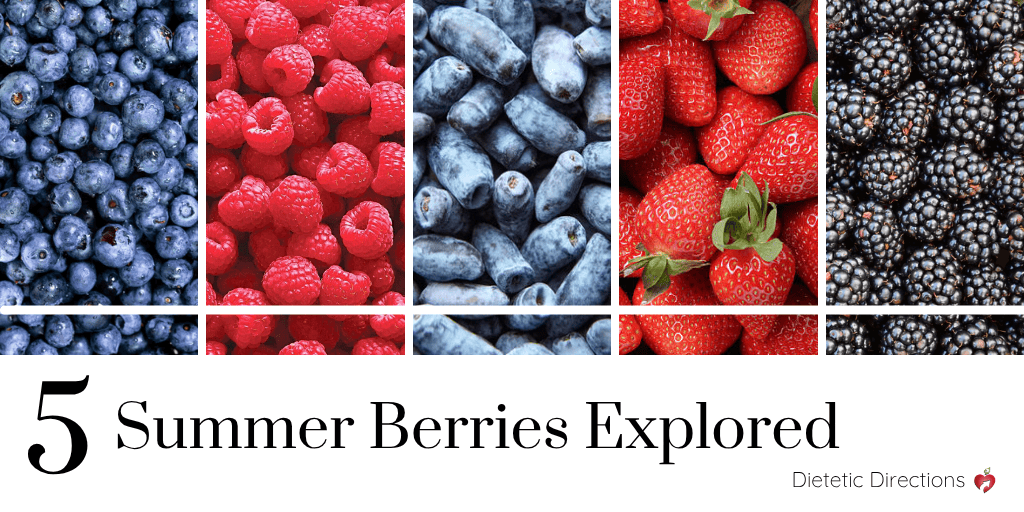
Summer berries are in! Let’s rejoice about the bounty of fresh berries at our eager fingertips. Whether you’re perusing the farmers’ market shelves or your local grocery store, the abundance of local berries is a “must add” item to your shopping list. Not only are these sweet little gems antioxidant boosters, but they’re also flavour-packed to add seasonal freshness to your cereals, snacks, yogurt parfaits and summer salads. In today’s blog, I will share my top 5 Canadian Summer berries – their nutrition highlights, when they’re in season, how to choose the best ones, storage tips and recipe ideas! Get ready to feast on some juicy content!
5 Summer Berries Explored:
Here are my top 5 dietitian picks for summer berries:
1. Blueberries
Blueberries are a fruit native to North America and they have been around for 13,000 years! Over 193,000 acres of land are used to grow blueberries, making it the largest fruit area in Canada. In Ontario, blueberry season is from July to September.
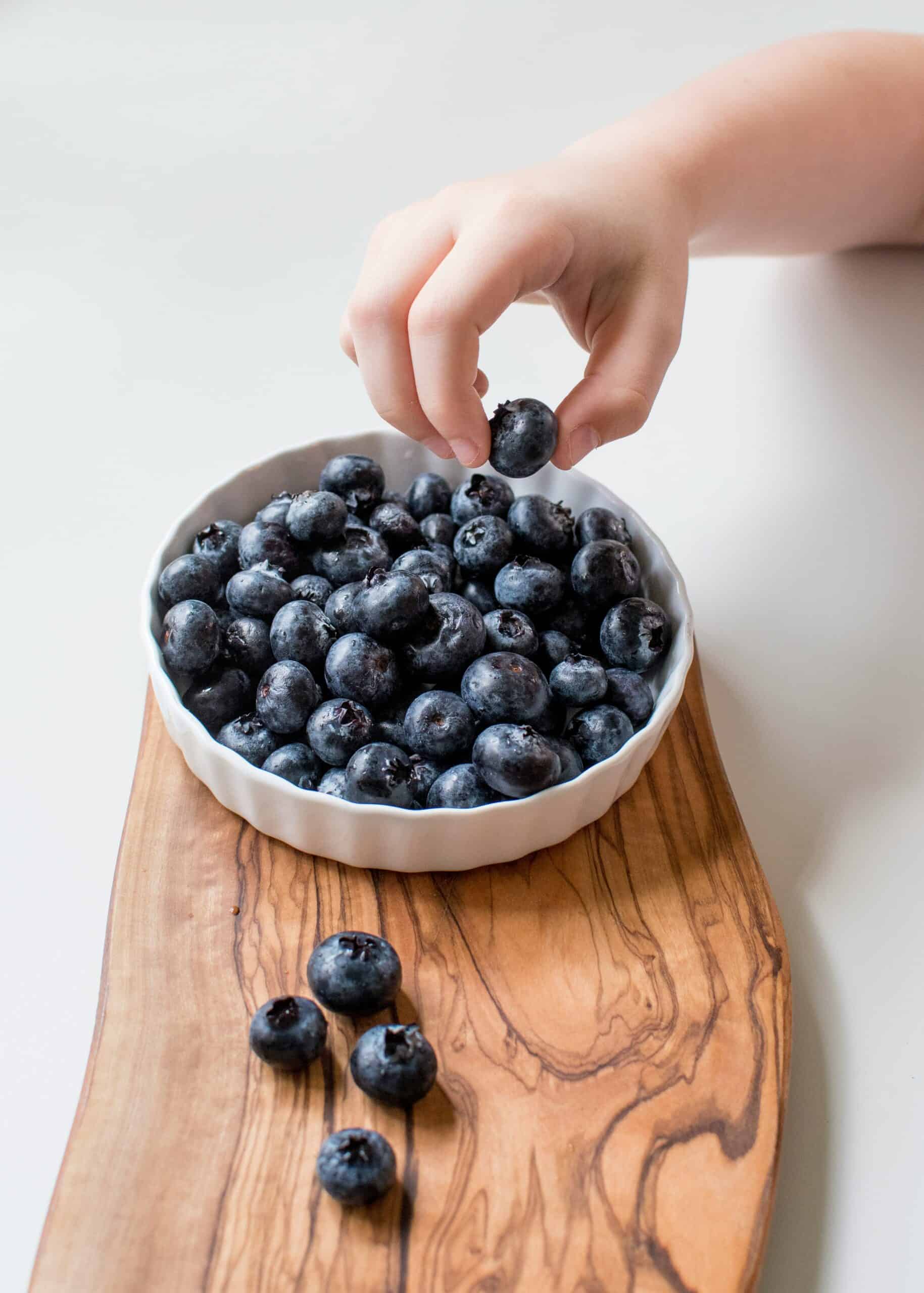
Nutritionally, blueberries are high in anthocyanins, the phytochemical that produces its well-known blue colour and provides antioxidant or anti-inflammatory properties. In fact, studies link blueberry consumption to a reduced risk of type 2 diabetes, reduced inflammation and an improved insulin response. These little blue jewels have also been found to boost brain health since they may improve memory and certain aspects of cognition. Read on for more berries and how to choose the best ones.
2. Raspberries
Interestingly, a single raspberry is made of many little fruits, or drupelets, clustered together to form a raspberry. Additionally, the average raspberry has about 100 drupelets, each with its own seed. You might not know that raspberries are actually a member of the rose family. Raspberries are best picked when plump and red since they do not continue to ripen after harvesting, like many berries. They’re in season between July and September.
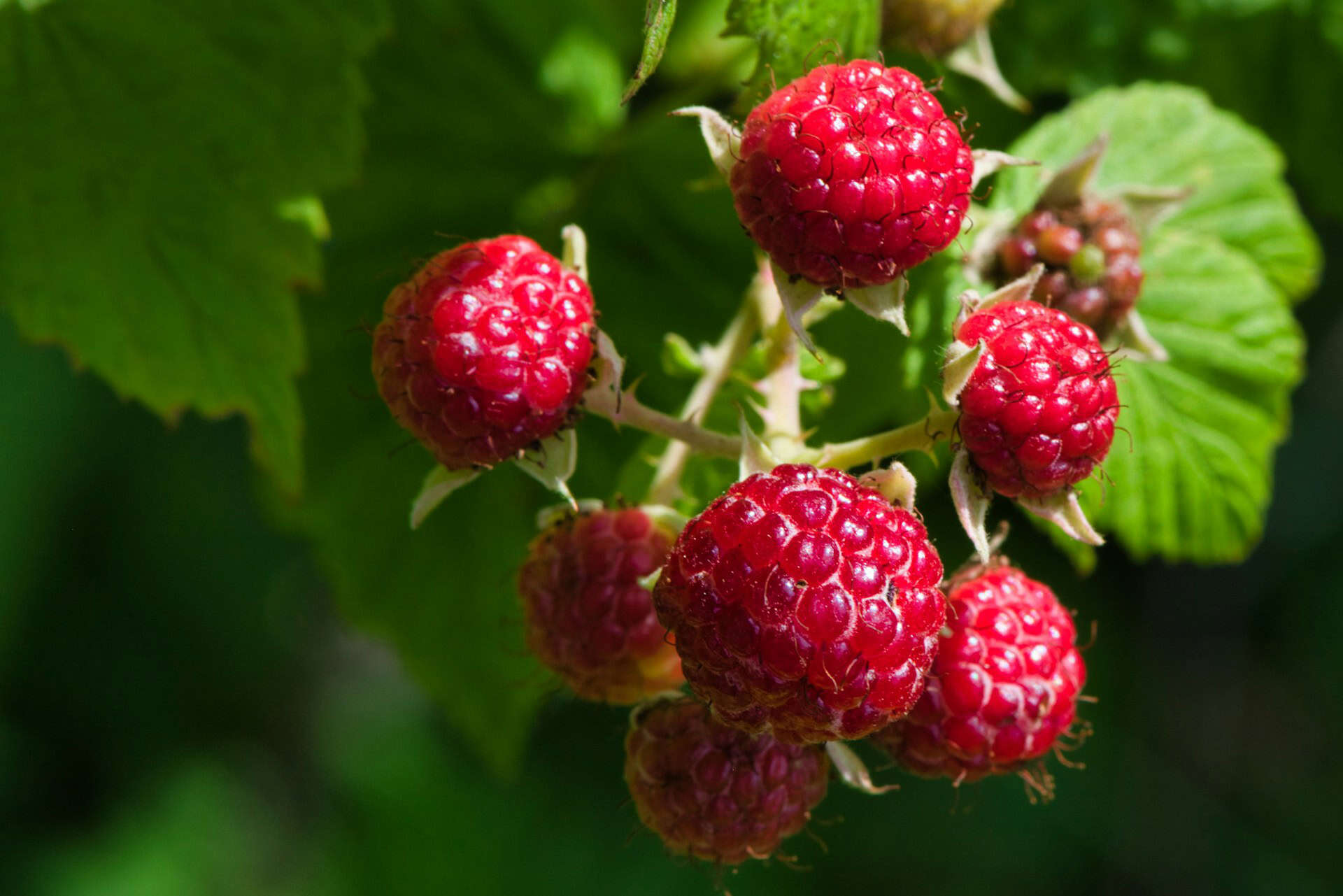
Raspberries are aggregates of over 100 individual drupelets, each with their very own seed!
Raspberries are low in calories and high in fibre. In fact, they have only 32 calories and 4 grams of fibre (14% DV) per half cup serving. This fibre content makes them a great choice for promoting fullness, reducing cholesterol and stabilizing blood sugars when paired with protein. See my 21 balanced fibre and protein snacks. Additionally, a half cup serving has 18% of our daily vitamin C requirement, which supports tissue repair, immunity and iron absorption.
Grab our FREE Snack E-book! Let’s build balanced snacks.
3. Haskap Berries
Haskap berries, also known as honeyberries or blue honeysuckle because they look like an elongated blueberry. They have a unique, slightly tart and sweet flavour, often described as a combination of blueberries and raspberries. The haskap berry is in season for only June and July in Ontario and can be enjoyed fresh, juiced, or used in jams, jellies, pies, smoothies and baked goods.
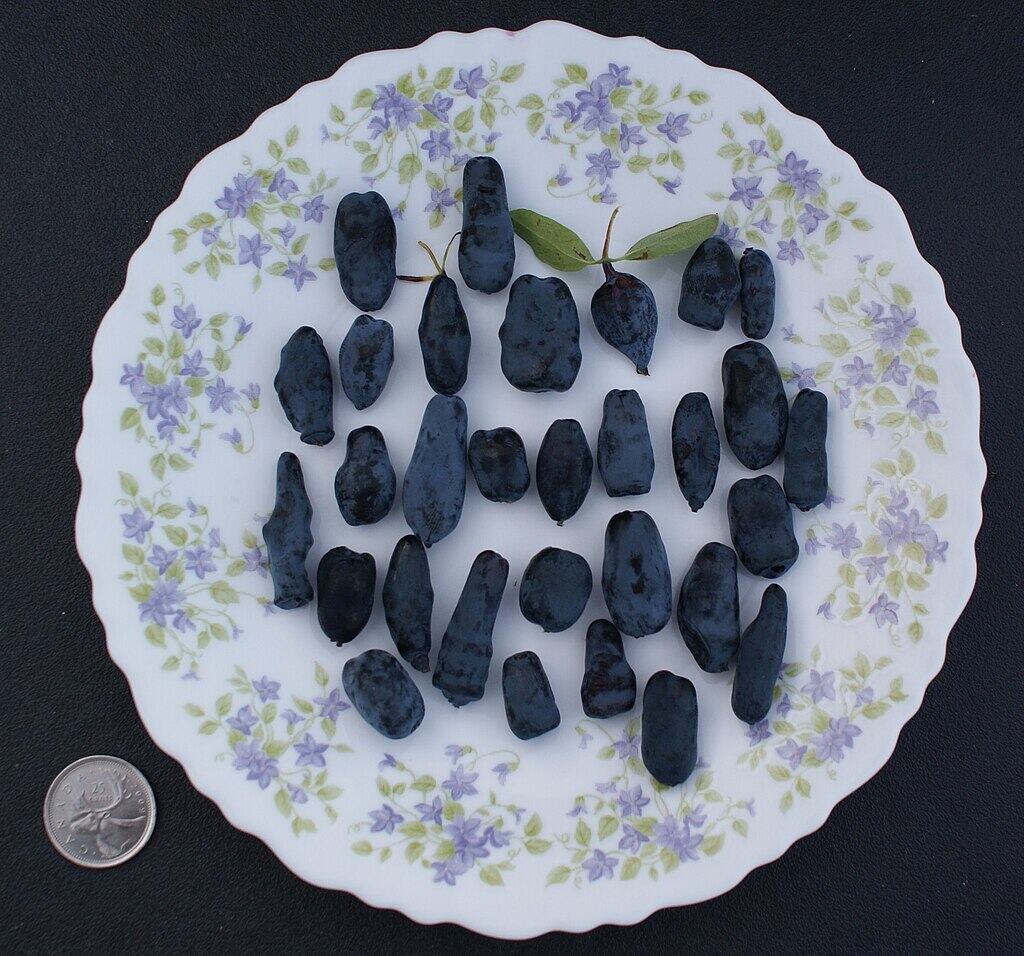
Shape of an elongated blueberry, yet it has the tartness of a raspberry!
Nutritionally, haskap berries are antioxidant boosters with high amounts of anthocyanins from the deep blue-purple pigments. These antioxidants are a type of flavonoid linked to various health benefits like improved heart health , reduced risk of chronic diseases and potential anti-cancer properties. Additionally, these summer berries contain a good amount of vitamin C, potassium and fibre for promoting heart health, blood sugar management and fullness.
4. Strawberries
Summer strawberries are always a favourite in my house! However, the growing season for the tiny, sweet Ontario ones can be super short – June and July. You’ve probably noticed that greenhouse varieties can grow all year long. There’s no shortage of ways to enjoy strawberries in the diet – my favourite is to just eat them by themselves! See more ways to enjoy fresh fruits in section below.
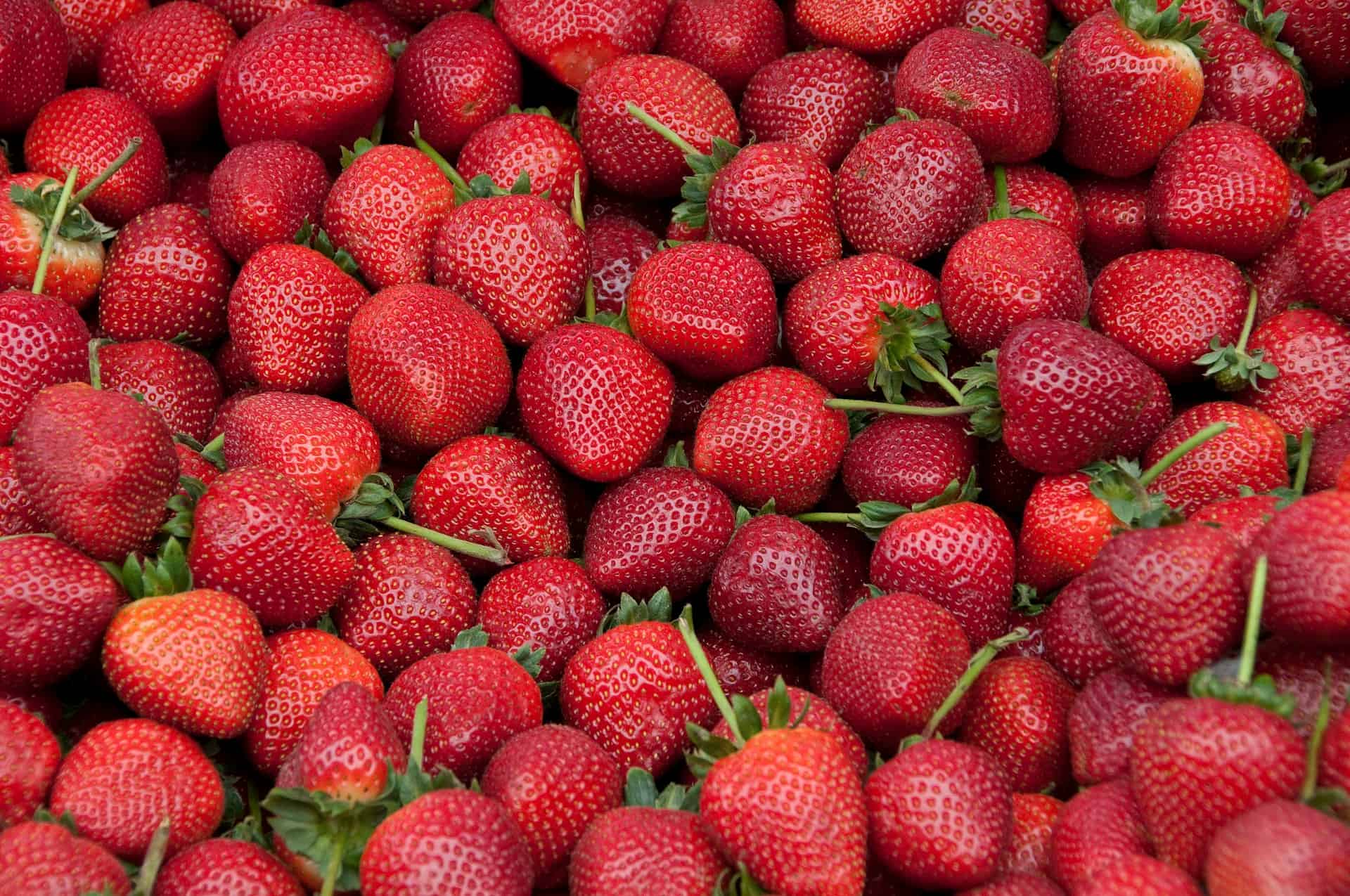
A half cup serving of strawberries has 50% of your daily vitamin C requirement.
Nutritionally, strawberries are low in calories and an excellent source of vitamin C, potassium and fibre. In fact, a half cup serving has 25 calories and an impressive 50% of our daily vitamin C intake. The potent vitamin C content acts as an antioxidant that protects body cells against free radicals damage and supports immunity. Additionally, vitamin C increases heme iron absorption, supports collagen formation, and lowers blood pressure.
5. Blackberries
Finally, blackberries have a characteristic inky purple-black colour that many Canadians are likely familiar with. They have a sweet-tart taste and there are over 12 blackberry species are grown across Canada. Blackberries are available for a short period of July and August; therefore, be sure to enjoy them when you can!
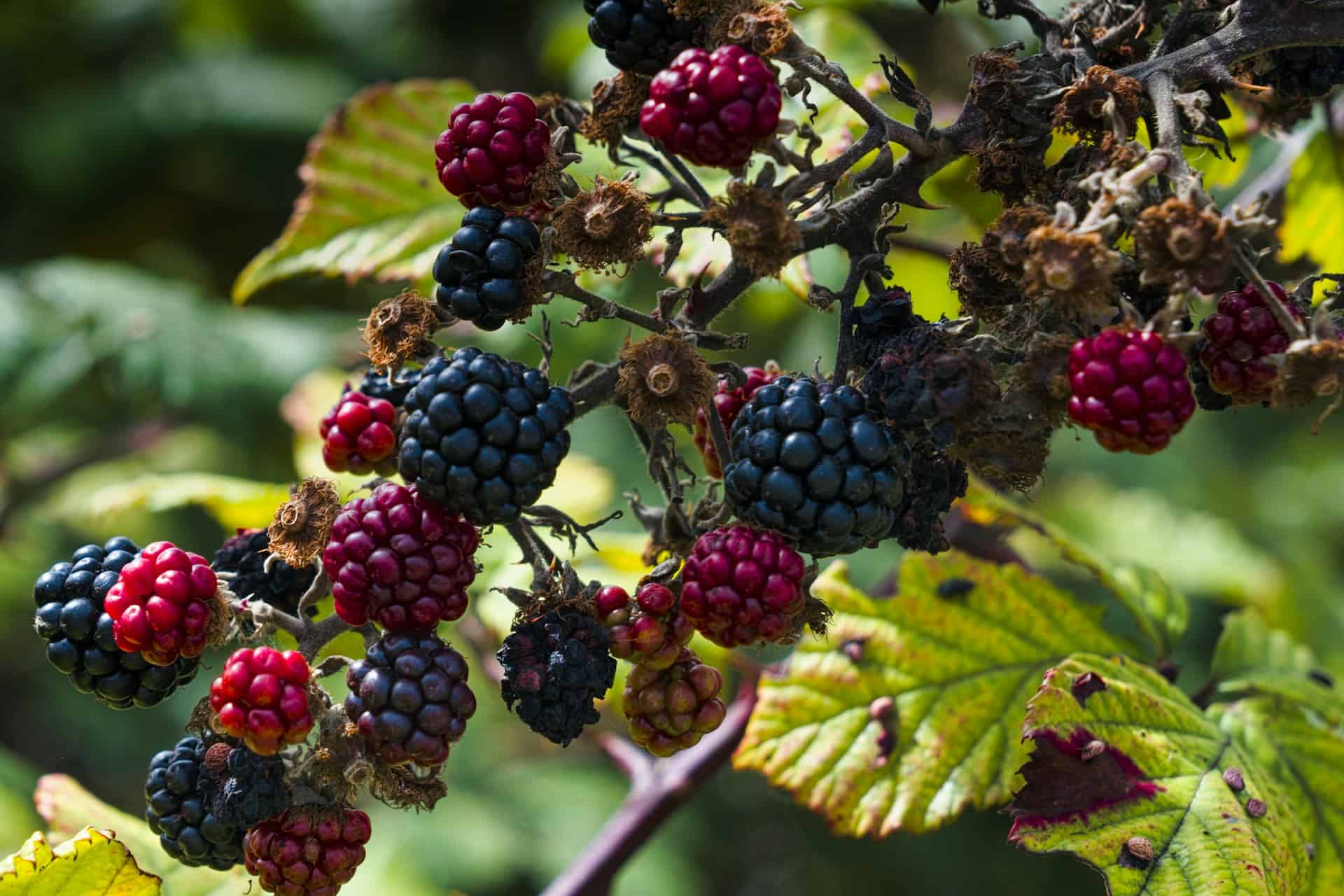
Blackberries are high in fibre and vitamin C to support anti-inflammatory responses.
Nutritionally, blackberries are another antioxidant powerhouse, rich in those anthocyanins (type of flavonoid) attributed to their deep blue-purple colour. Research studies have found that the antioxidants in blackberries may prevent chronic and inflammatory diseases and various types of cancers and could reduce the chances of neurodegenerative diseases like Parkinson’s and Alzheimer’s disease. Blackberries are high in vitamin C to support immunity, anti-inflammatory responses and tissue repair. They also contain an impressive amount of fibre (4 grams in a half cup serving), which is excellent for cholesterol, blood sugar control and bowel regularity. Additionally, blackberries contain the antioxidant vitamin E for skin and eye health as well as vitamin K for bone health and blood clotting.
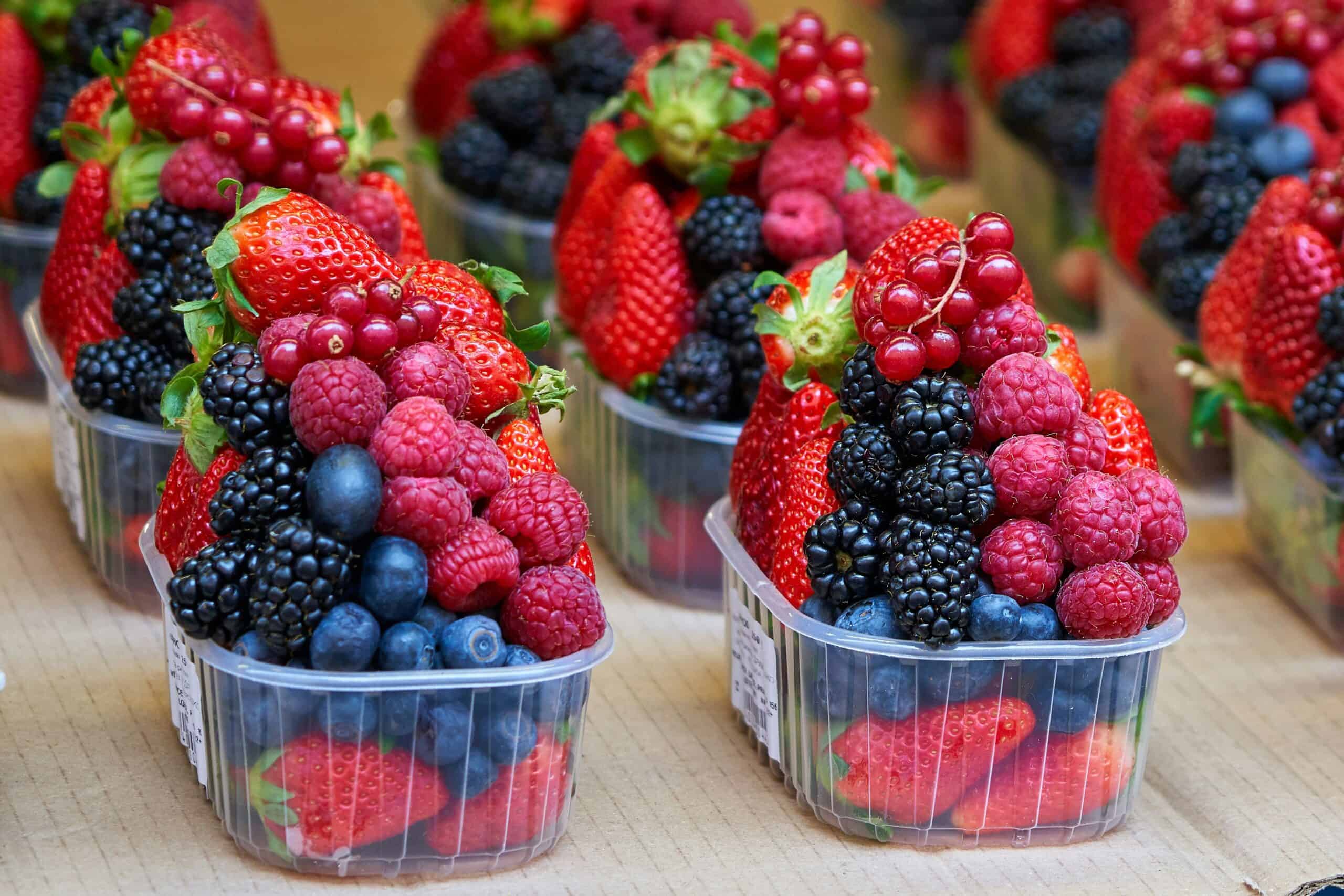
Buying Tips for Summer Berries:
To enjoy the freshest summer berries be sure to:
- Go for bright and vibrant colours. Dull berries have less flavour or are overripe.
- Avoid berries with mold, soft spots and leaking juice.
- Go for firm but not hard. Ripe berries should be plump and tender.
- Keep in mind that berries don’t ripen after picking. What you buy is what you get!
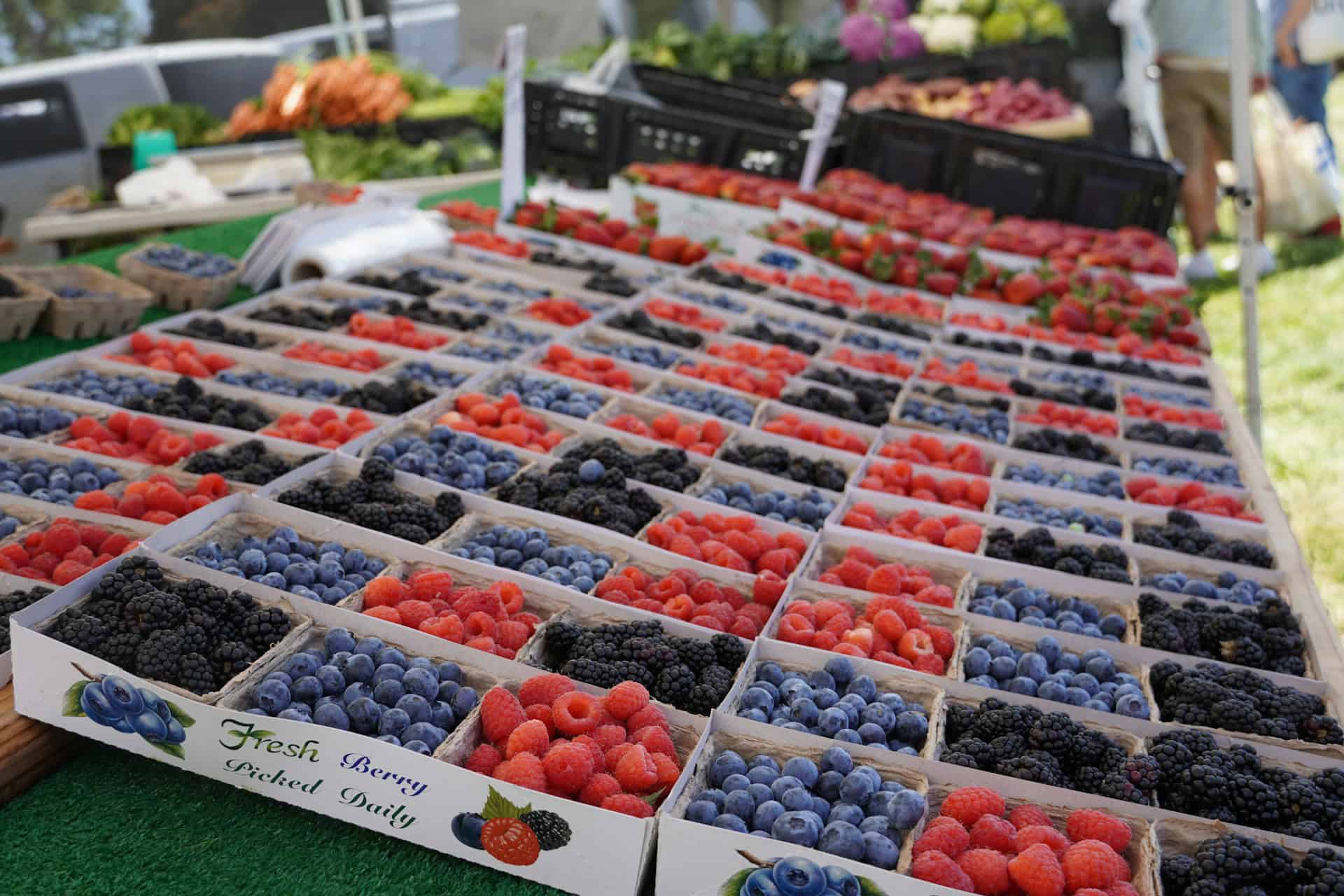
Choose bright and vibrant berries at the market for optimal freshness.
Storage Tips for Summer Berries:
To keep your summer berries the freshest follow these guidelines:
- Keep berries dry – moisture speeds up spoilage. I always take them out of the container and spread them out on a paper towel to ensure they’re dry.
- Wash berries ONLY right before eating, not before storing.
- Store in the fridge in a breathable container or open dish, lined with a paper towel.
- Don’t store berries in the coldest corner of the fridge, as it may lead to frostbite.
- Spread berries out a little as the weight of them can squish delicate ones below.
- Freeze for later! (They last for 6-12 months).
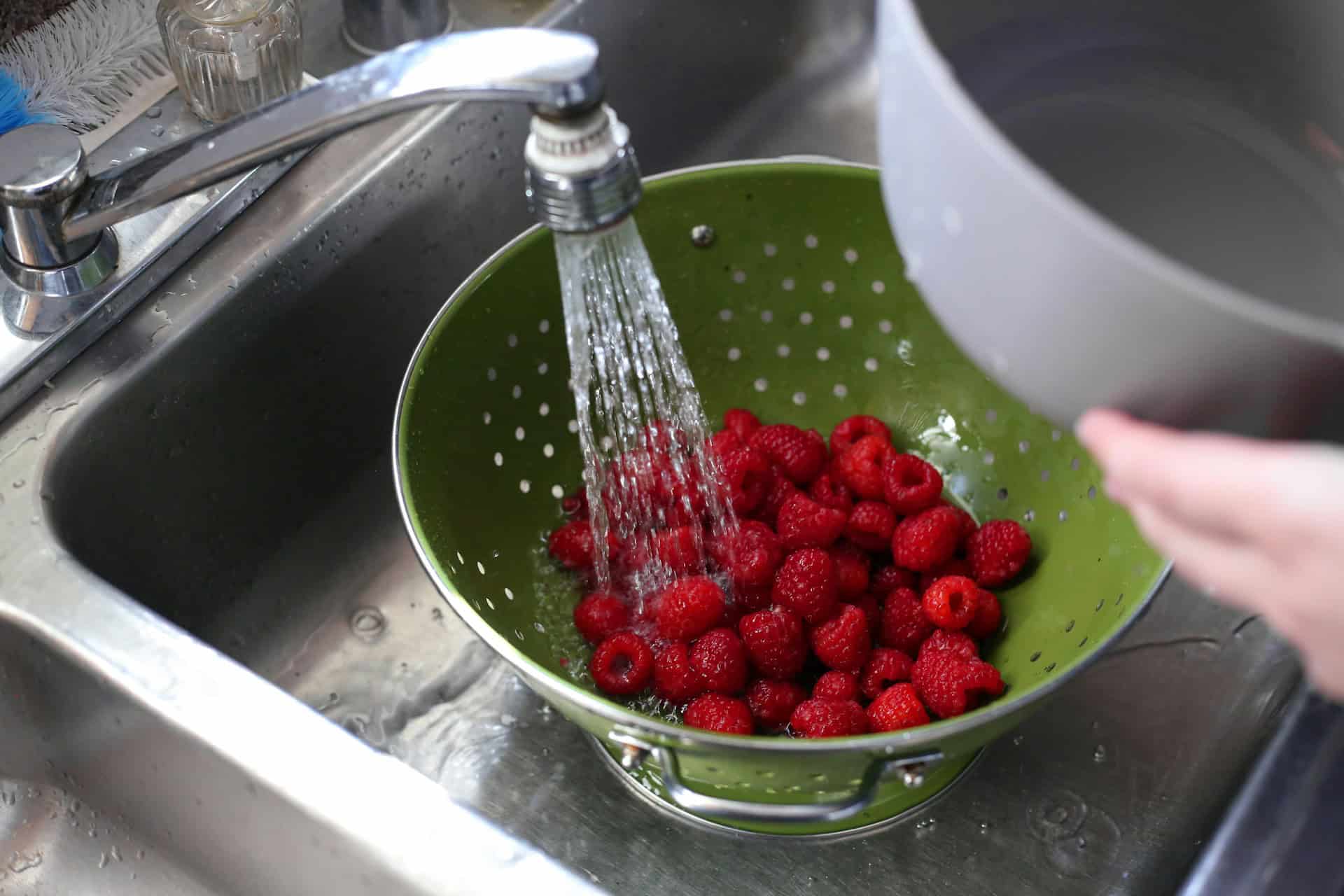
Wash berries ONLY right before eating, not before storing.
Ways to Enjoy Summer Berries:
This might be my favourite section of the blog! How to incorporate summer berries into your diet! Here’s some inspiration:
- Grab a handful and enjoy the freshness with a handful of unsalted nuts or seeds.
- Top your high fibre cereal or oatmeal with summer berries.
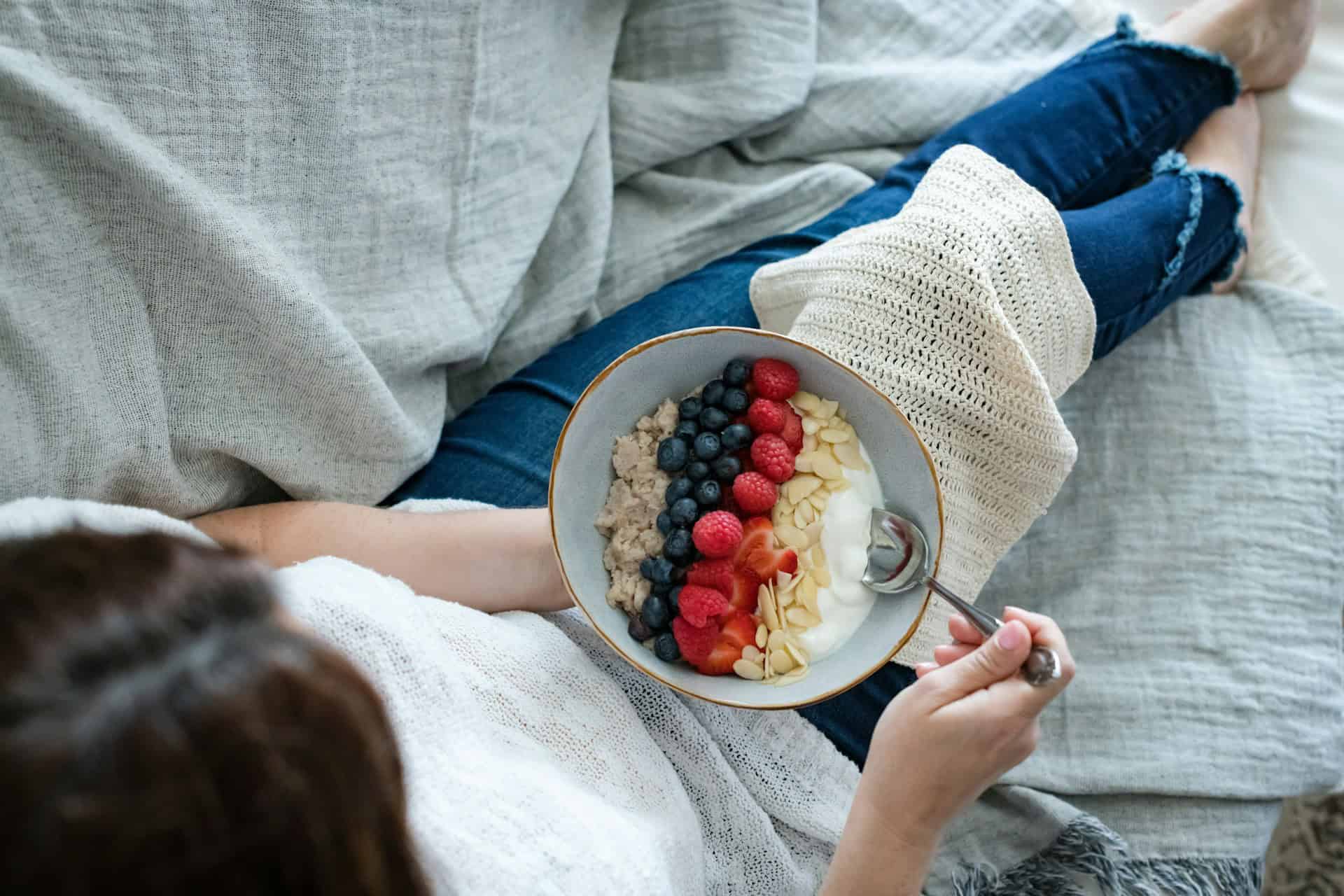
Have a breakfast packed with antioxidants by topping your oatmeal with summer berries!
- Incorporate fresh fruits a sweet addition to your salads!
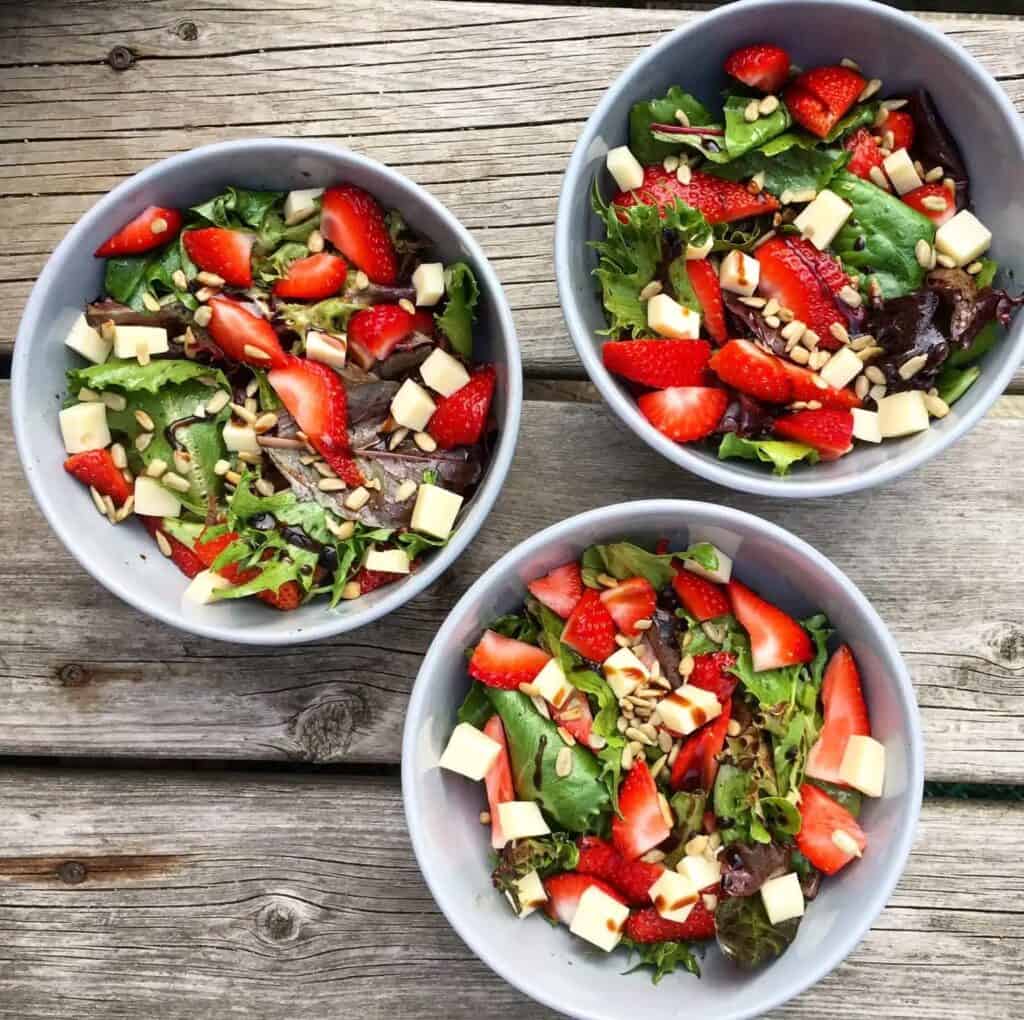
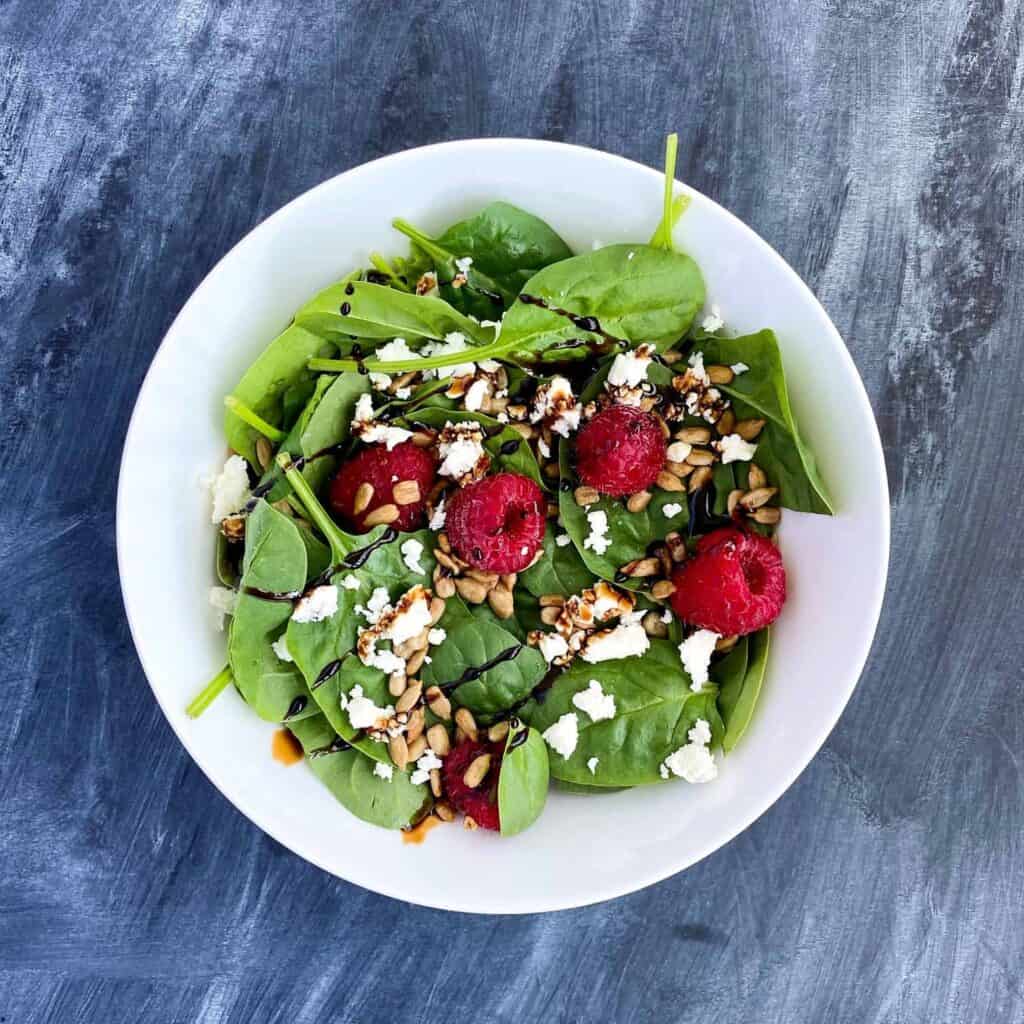
Enjoy sweet and savoury with a variety of flavour combos!
- Blend into a Strawberry Banana Smoothie Bowl.
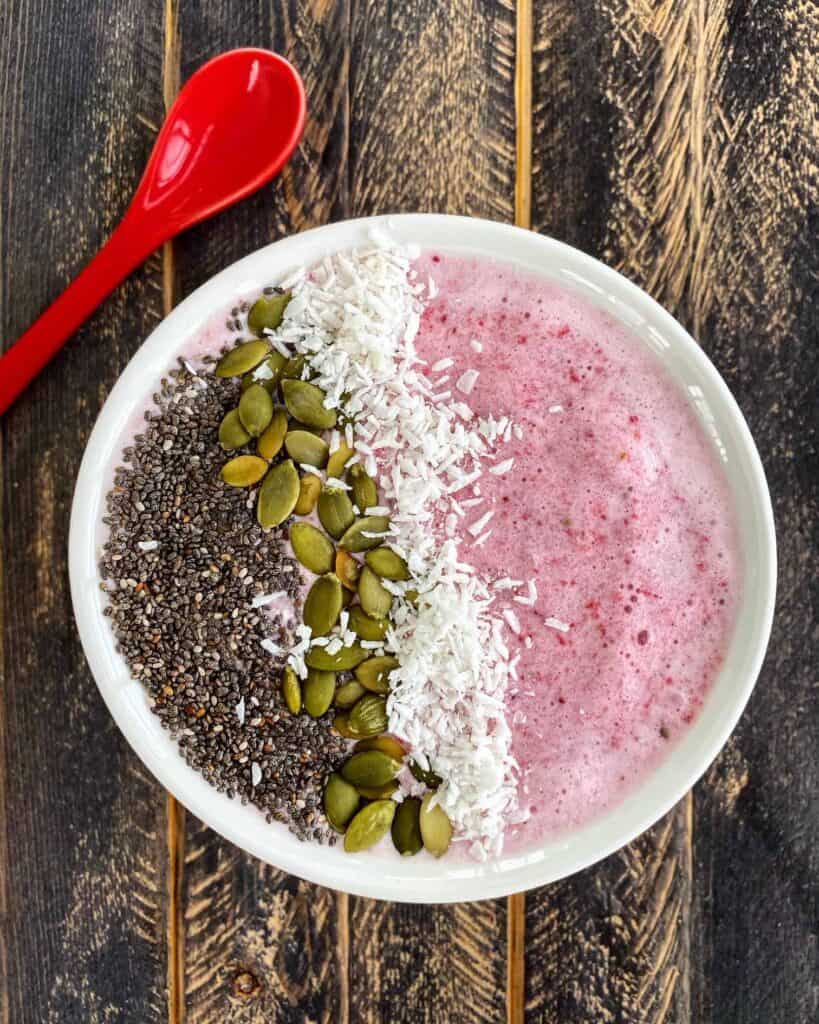
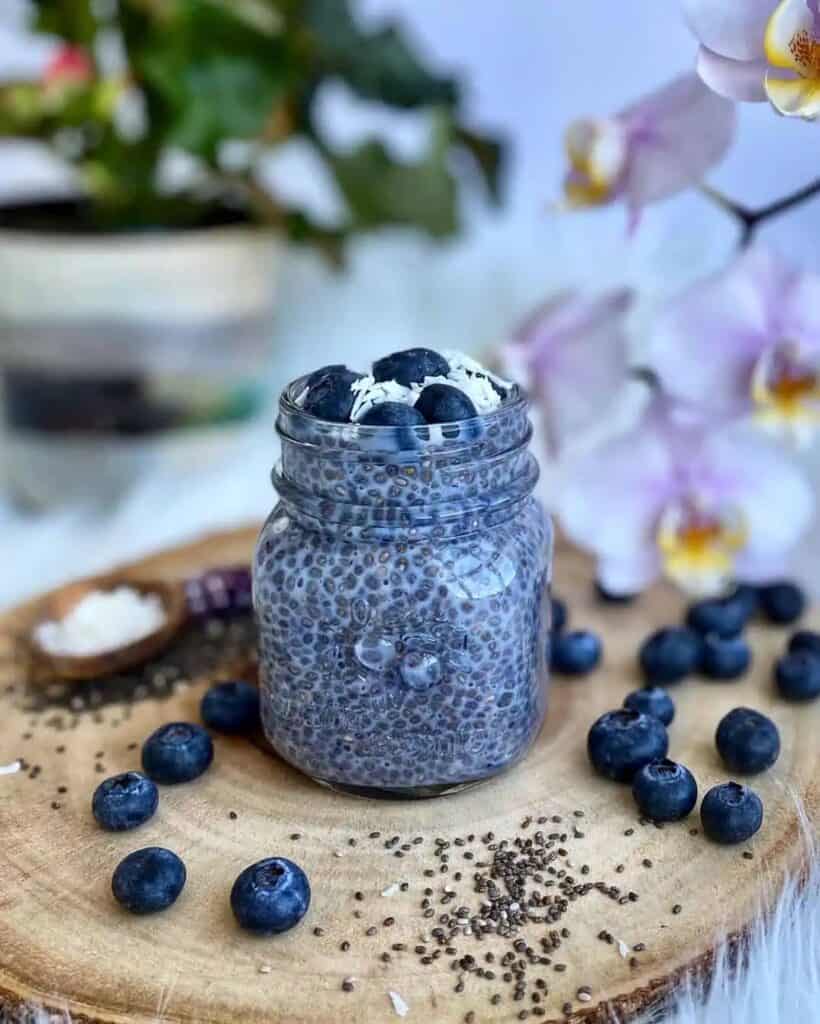
- Add to Chia Seed Pudding or Yogurt Parfait.

Bottom Line:
Summer berries are in season. Be sure to know what’s available locally so you can enjoy them during peak season. Additionally, don’t be afraid to freeze fresh berries if purchasing in larger quantities. Nutritionally, berries are rich in anthocyanins, the phytochemical that produces deep colour and provides antioxidant or anti-inflammatory health properties. Berries are also loaded with a variety of vitamins and minerals that support skin, body cells, growth and vitality.
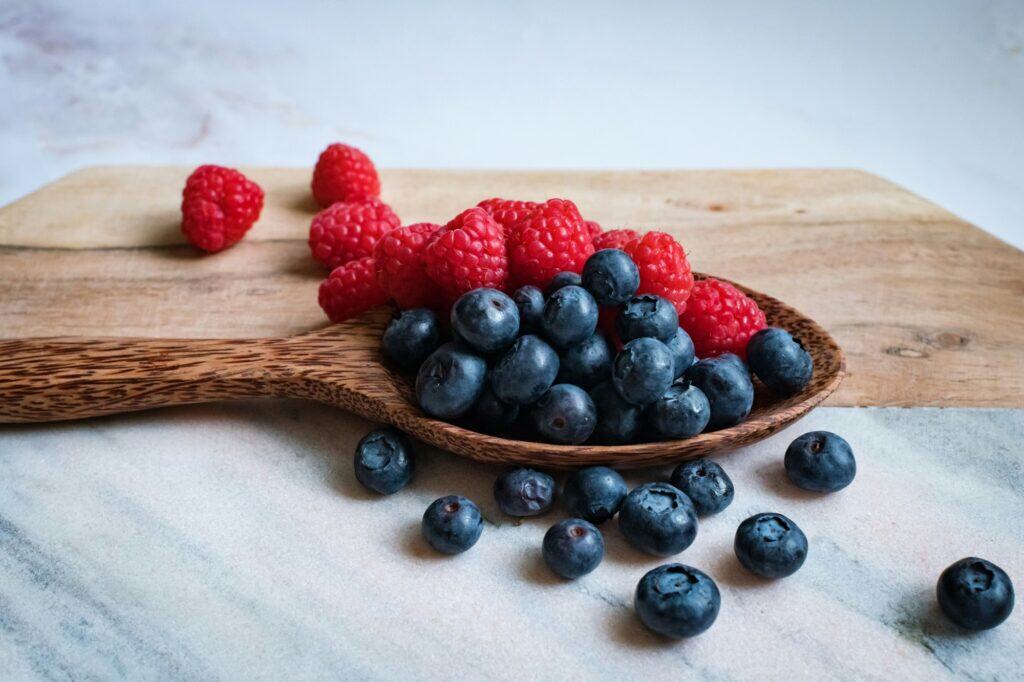
Now it’s your turn. Are you enjoying the summer berries? Let us know what you’re picking in the comments below or online with us @dieteticdirections.
Related Topics

Andrea D'Ambrosio is a Registered Dietitian, health-enthusiast and adoring foodie. She started Dietetic Directions as a way to share science-based information mixed with inspirational content for lifelong change.
Book a Dietitian ConsultationRelated Recipes



Hi! I’m Andrea,
Dietitian, health-enthusiast and an adoring foodie. I started Dietetic Directions as a way to share science-based information mixed with inspirational content for lifelong change. I’m all about eating well and loving life.
Know More About Me