


7 Lifestyle Habits That Naturally Support GLP-1
GLP-1 is one of the hormones involved in appetite regulation, fullness, blood sugar control and digestion. While lifestyle habits cannot replicate the effects of GLP-1 medications, everyday choices can support your body’s natural appetite-regulating and metabolic systems.
In Part 1 of this series, How to Increase GLP-1 Naturally: A Dietitian’s Guide to Foods for Fullness and Blood Sugar, we explored how nutrition can influence GLP-1, fullness and blood sugar.
Now, we’re looking beyond the plate.
From sleep and exercise to stress management, meal timing and mindful eating, today I am highlighting seven lifestyle habits that can naturally support appetite regulation, blood sugar management and overall metabolic health. Whether you’re taking a GLP-1 medication or not, these evidence-informed habits can help support your health and will complement your nutrition goals.

Small changes to your lifestyle can significantly boost the effectiveness of GLP-1, one of our fullness hormones.
Why Do Lifestyle Habits Matter?
There’s power in the habits we practice day after day. While one meal, workout, or night of good sleep may not dramatically change our health, consistent habits can add up over time to support our health and well-being.
Here are some of the key ways that healthy lifestyle habits can help:
- Support appetite regulation
- Improve blood sugar management
- Promote feelings of fullness and satisfaction
- Support healthy weight management
- Strengthen metabolic and cardiovascular health
- Improve overall well-being
The goal isn’t perfection. It’s about building realistic, sustainable habits that fit into your everyday life and can be maintained over time.
Dietitian Tip: No single habit is a magic solution for increasing GLP-1. Instead, think of these strategies as pieces of a bigger picture. Small, sustainable habits can work together to support your body’s natural appetite-regulating systems.
7 Lifestyle Habits That Naturally Support GLP-1
1. Prioritize Quality Sleep
Getting enough sleep is important for much more than feeling rested. Sleep plays an important role in regulating appetite, hunger and fullness, as well as blood sugar and metabolic health.
Research suggests that insufficient or disrupted sleep can affect appetite-regulating hormones and increase hunger and cravings. Sleep also follows a natural circadian rhythm, making consistent sleep and wake times an important part of healthy routines.

Sleep is vital to our overall health, yet its impact on appetite, cravings and blood sugar management is often overlooked.
Five Sleep-Supporting Habits:
- Aim for 7–9 hours of sleep per night.
- Keep a consistent sleep and wake schedule.
- Limit screens and stimulating activities before bed.
- Create a cool, dark and comfortable sleep environment.
- Develop a relaxing bedtime routine.
Dietitian Tip: Think of sleep as nutrition for your body. You may be surprised by how much a good night’s sleep can influence your appetite and food choices the following day.
2. Meal Sequencing to Support GLP-1
What you eat is important, but research shows that the order in which you eat your food also influences blood sugar and fullness hormones. In fact, a recent research review shows that the consumption of protein and/or fat before carbohydrate, promotes higher secretion of GLP-1 from the gut, improves insulin response, and delays gastric emptying, thereby improving blood sugar after meals. Consequently, this way of eating promotes greater fullness to support calorie restrictions for those with goal of weight loss.
For example, you could start your meal with your salmon, then your vegetables before moving on to your carb with the barley in the meal recipe photo below.

Try our Honey Garlic Salmon with roasted asparagus and barley as part of Andrea’s GLP-1 Meal Sequencing Formula.
Try this Simple Meal Sequence:
1. Protein-rich foods
↓
2. Vegetables or fibre-rich foods
↓
3. Carbohydrates
Of course, you don’t need to always eat your meal in a rigid order. Knowledge is power. Some meals have components of different foods all together like a chili. Overall, the goal is overall to build balanced meals that contain protein, fibre and carbohydrates.
Dietitian Tip: Start your meal with a protein- or fibre-rich food and see whether it helps you feel more satisfied after eating.
3. Move Your Body & Include Resistance Training
Next, exercise is an important piece of the appetite, GLP-1 and metabolic health puzzle.
Both aerobic exercise and resistance training can support insulin sensitivity, blood sugar management, cardiovascular health and body composition. Research also suggests that physical activity may influence GLP-1 and other appetite-regulating hormones.
Importantly, you don’t need a long workout to benefit from movement. Consistency matters more than perfection.

Resistance Training builds (or maintains) muscle mass for better blood sugars, metabolic functioning & overall health.
Need a Reason to Move your Body More?
The benefits of regular physical activity and resistance training are innumerable. Start where you’re at and enjoy the benefits of:
- Better blood sugar management. Skeletal muscle stores and uses large amounts of glucose, helping to improve blood sugars.
- Improved insulin sensitivity. Building more muscle mass helps the body better respond to insulin, the hormone that lowers blood sugar.
- Support for appetite regulation through GLP-1 production and sensitivity.
- Increased or maintained muscle mass as part of healthy aging.
- Improved cardiovascular health with better cholesterol, blood pressure and risk factors.
- Support for long-term weight management.
- Improved mood, focus and energy with an active lifestyle.
- Boost in metabolic rate (calorie burning at rest) with higher muscle mass.
Don’t Forget Resistance Training!
Resistance training helps build and preserve muscle mass. Maintaining muscle mass becomes increasingly important as we age and can also support better blood sugars, metabolic health and physical function.
How much Physical Activity Should I Target?
The World Health Organization recommends that adults aim for:
- 150 – 300 minutes of moderate-intensity aerobic activity per week (~30 minutes of activity at least 5 times weekly), or
- 75–150 minutes of vigorous-intensity activity per week
As well as:
- Muscle-strengthening activities 2 or more days per week
However, if you’re currently inactive, you don’t have to jump straight to these targets. Instead, start small. A 10–15-minute walk after a meal or two short strength-training sessions each week can be a great starting point. Over time, gradually build your activity based on what feels realistic for you.
For more ideas, check out our blog: Health Benefits of Walking.
Gain confidence in your food & lifestyle choices.
4. Manage Your Stress to Support GLP-1
Stress is a normal part of life, but chronic stress can affect appetite, food choices, sleep and metabolic health.
Furthermore, stress can influence hormones involved in appetite regulation and may make highly palatable foods—such as foods high in sugar, salt or fat—more appealing. When we’re stressed, we’re also more likely to eat quickly, skip meals or turn to food for comfort.
Rather than trying to eliminate stress completely, focus on building strategies that help your body recover from stress.

Why is Chronic Stress A Problem for a Healthy Lifestyle?
- Increased cravings
- Emotional or stress-related eating
- Changes in appetite
- Poorer sleep
- Difficulty maintaining healthy routines
What Can I do to Decrease my Stress?
Here are some stress-supporting habits to try:
- Practice mindfulness or deep breathing
- Spend time outdoors
- Go for a walk
- Connect with friends or family
- Try journaling or gratitude
- Prioritize quality sleep
- Move your body regularly
- Schedule time for activities you enjoy

Lowering stress helps to improve your cravings and food choices.
Dietitian Tip: Managing stress isn’t about eliminating it. It’s about finding healthy ways to help your body recover.
5. Support a Healthy Gut Microbiome
Your gut microbiome—the trillions of microorganisms living in your digestive tract—plays an important role in digestion and overall health.
Emerging research suggests that the gut microbiome may also influence appetite-regulating hormones, including GLP-1. When gut bacteria ferment certain types of dietary fibre, they produce short-chain fatty acids (SCFAs) that can interact with pathways involved in metabolism and appetite regulation.

One of the best ways to support your gut microbiome is to eat a variety of fibre-rich plant foods.
What are some Fibre-Rich Foods to Include:
- Oats, bran and whole grains like barley, bulgur and quinoa
- Beans, legumes and lentils
- Vegetables like green peas, pumpkin, Brussels sprouts, etc.
- Fruits like blackberries, pears, avocado
- Nuts and seeds like chia and flax
- Onions and garlic
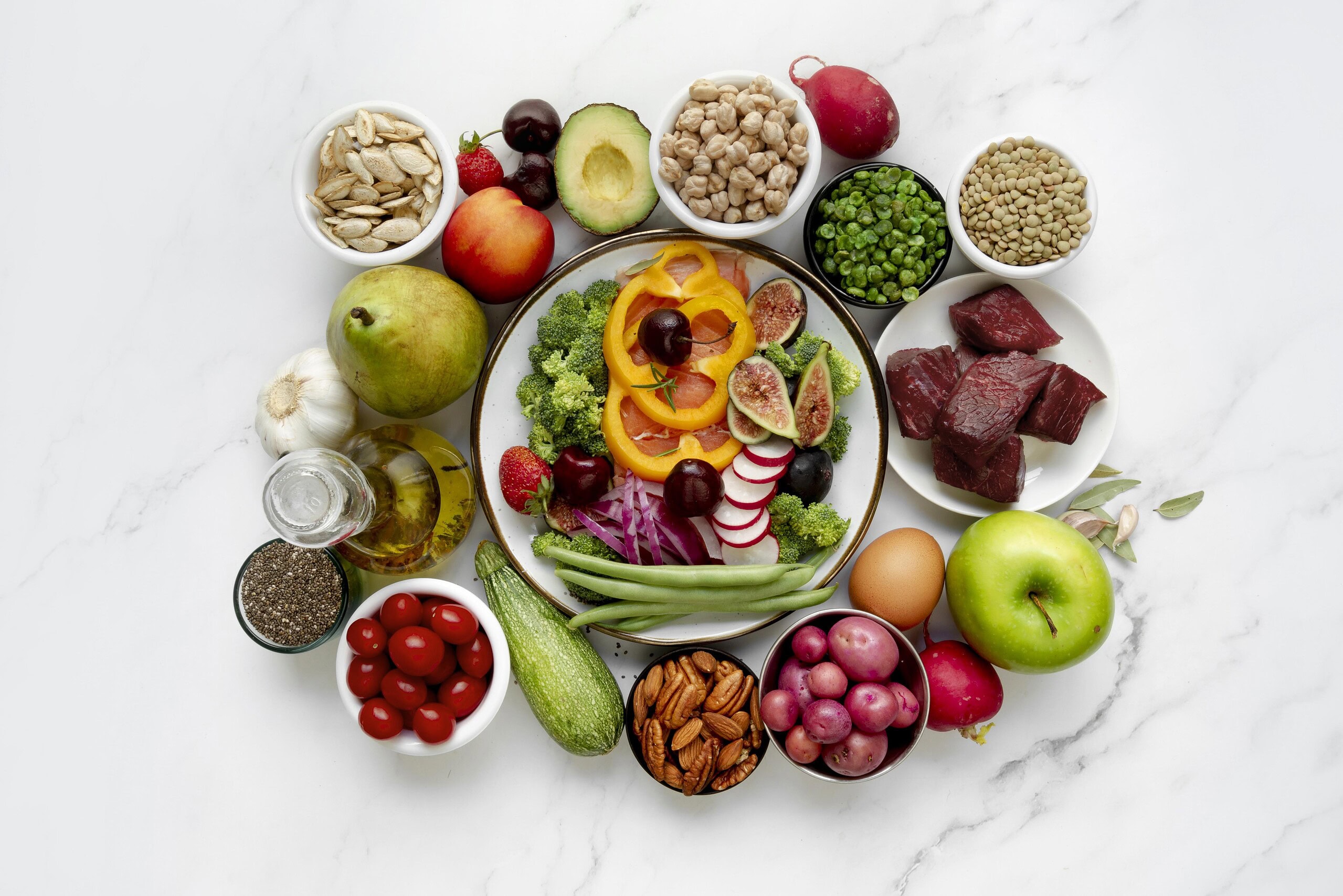
Consuming a variety of fibre-rich foods diversifies gut bacteria and improves appetite regulating hormones.
A Simple Gut-Health Goal:
Try including a variety of plant foods throughout the week. Different types of fibre feed different types of gut bacteria.
Do Fermented Foods Improve Gut Health?
Foods such as yogurt, kefir, sauerkraut and kimchi can be included as part of a varied diet and may provide beneficial bacteria or support a diverse gut environment.
However, you don’t need to rely on a specific probiotic food or supplement to support your gut health. Variety is key.
Dietitian Tip: Instead of focusing on one “superfood” for your microbiome, aim for variety. Your gut bacteria love a diverse diet!
6. Establish a Consistent Eating Routine
Your body has an internal circadian clock that influences many processes, including digestion, metabolism and hormone regulation.
While meal timing is highly individual, maintaining a relatively consistent eating routine can make it easier to manage hunger, energy and food choices throughout the day.
Some research suggests that aligning eating patterns with our natural daytime rhythm may support metabolic health. However, there is no single eating window that works for everyone.
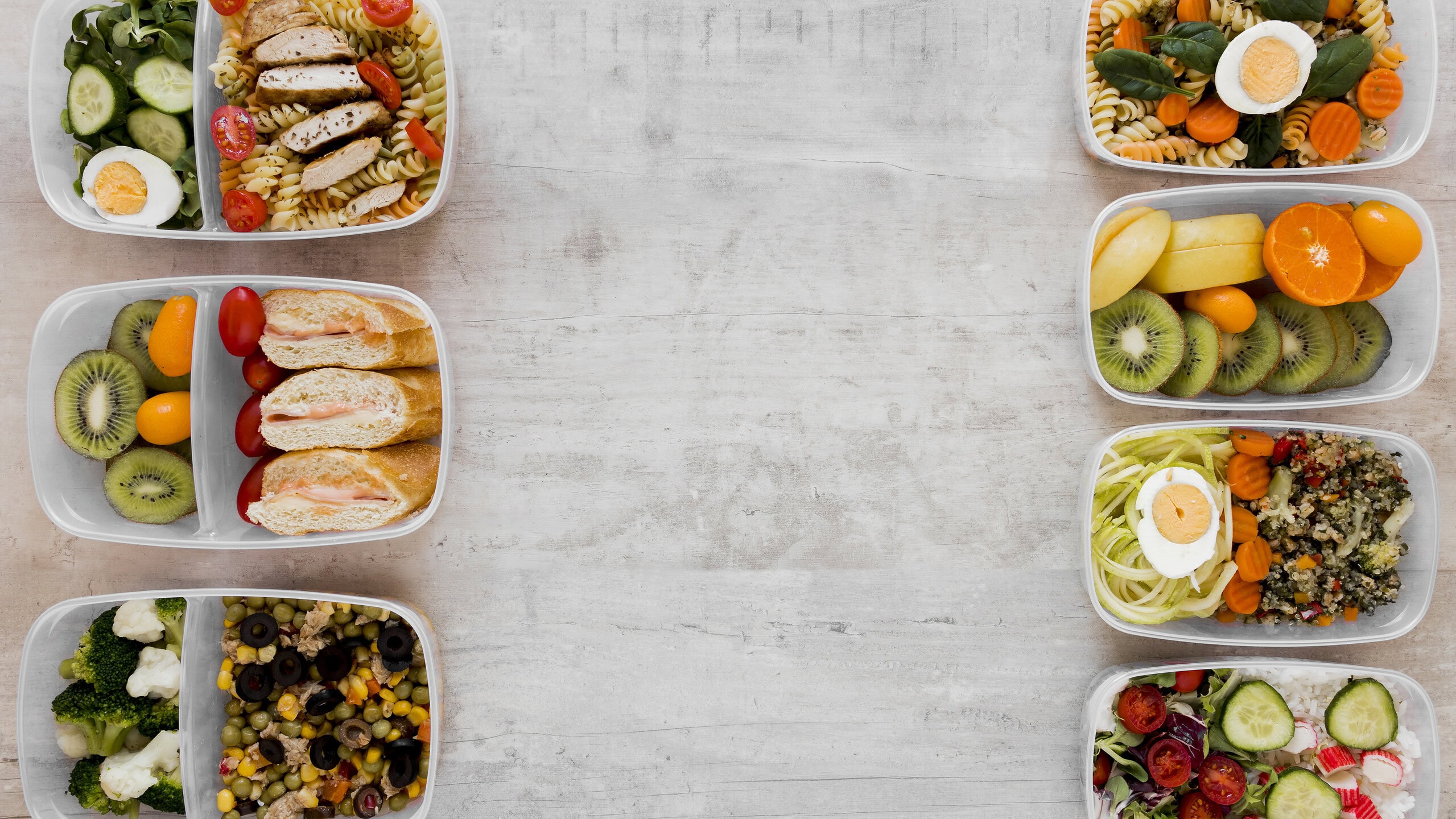
Meal planning and meal prep are habits to facilitate eating well when the schedule gets busy.
Healthy meal-timing habits can include:
- Eat meals at relatively consistent times.
- Avoid regularly skipping meals if it leads to excessive hunger later.
- Limit frequent late-night eating.
- Include a balanced breakfast if it works well for you.
- Give yourself time to enjoy and digest your meals.
- Choose an eating pattern that fits your lifestyle.
Rather than focusing on a strict eating window, consider when and how your eating pattern supports your hunger, energy and lifestyle.
A Registered Dietitian can help create a plan that’s right for your individual needs.
Dietitian Tip: Aim for consistency rather than perfection. Your eating routine should work for your life—not the other way around.
7. Practice Mindful Eating
Our final habit is one of the simplest: slow down and pay attention while you eat.
Your digestive system communicates with your brain to help regulate hunger and fullness. Eating quickly can make it easier to eat past the point of comfortable fullness because your body may not have enough time to register those signals.
Slowing down gives you an opportunity to notice your food, recognize fullness cues and enjoy your meal.
Research suggests that slower eating may increase feelings of fullness and may help reduce overall food intake.

Can I Become a More Mindful Eater?
Yes, you can! Try these mindful eating strategies:
- Put your fork down between bites.
- Take smaller bites.
- Chew your food thoroughly.
- Notice your breathing and try to relax any body tension.
- Eat without screens when possible.
- Notice the taste, texture and aroma of your food.
- Pause halfway through your meal.
- Check in with your hunger and fullness.
- Give yourself 20–30 minutes to enjoy your meal when possible.
Dietitian Tip: Try a simple challenge: take one meal each day and intentionally slow down.
Your body needs time to recognize fullness. Slowing down isn’t about eating perfectly—it’s about giving your hunger and fullness signals a chance to catch up.
Bottom Line
Your body naturally produces the hormone GLP-1, and your everyday lifestyle habits (and food choices) can better support the systems involved in appetite regulation, fullness and metabolic health, particularly better blood sugar control.

To summarize, the seven habits we covered are to:
- Prioritize quality sleep.
- Try meal sequencing.
- Move your body and include resistance training.
- Manage stress.
- Support a healthy gut microbiome.
- Establish a consistent eating routine.
- Practice mindful eating.
You don’t need to overhaul your entire lifestyle at once. Start with one habit that feels realistic and build from there.
There is no magic food, exercise or lifestyle strategy that will replicate the effects of GLP-1 medications. Instead, focus on the bigger picture: consistent, sustainable habits that help your body regulate hunger, fullness, blood sugar and energy.
Above all, consistency matters more than perfection.
Have you tried any of these strategies? Share what has helped you feel more satisfied, energized and balanced throughout the day in the comments below. Your experience may help someone else decide where to begin.
Related Topics

Andrea D'Ambrosio is a Registered Dietitian, health-enthusiast and adoring foodie. She started Dietetic Directions as a way to share science-based information mixed with inspirational content for lifelong change.
Book a Dietitian ConsultationRelated Recipes



Hi! I’m Andrea,
Registered Dietitian, health enthusiast, and proud foodie. I created Dietetic Directions to bring together science-based nutrition and real-life strategies that make healthy eating feel achievable and enjoyable. I believe in finding balance, building sustainable habits, and helping you feel your best—without perfection.
Know More About Me