

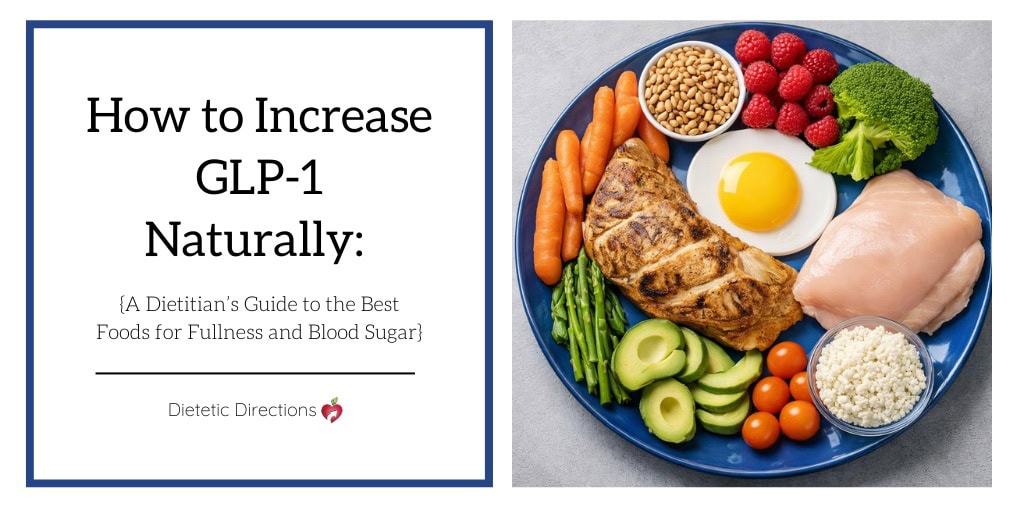
How to Increase GLP-1 Naturally: A Dietitian’s Guide to the Best Foods for Fullness and Blood Sugar
GLP-1 has become one of the hottest topics in nutrition. And if you’re wondering how to increase GLP-1 naturally, you’re not alone. From Ozempic and Wegovy to social media and the evening news, this naturally occurring hormone has transformed conversations around weight loss, appetite, and blood sugar management. In fact, I was recently interviewed by CBC News (check me out on the radio and print article) to discuss this very topic and answer one of the questions I hear most often from clients:
“Can I naturally increase my GLP-1 without taking medication?”
The short answer is yes—but with an important caveat.

Foods cannot replace GLP-1 medications. However, they can support your body’s natural appetite-regulating system.
While nutrition and lifestyle cannot produce the same powerful effects as GLP-1 medications, research shows that some foods stimulate a greater GLP-1 response than others. This can help improve fullness, regulate blood sugar, and support long-term metabolic health such as better blood pressure, triglycerides, waist to hip ratio, cholesterol, etc.
As a Registered Dietitian, I believe this is incredibly empowering. Rather than searching for a single “miracle food,” you can build meals that work with your body’s natural appetite-regulating system. Small, consistent changes—like eating enough protein, choosing fibre-rich foods, and including healthy fats—can make a meaningful difference in how satisfied you feel after eating.
In today’s dietitian blog, I’ll explain what GLP-1 is, how it works, how it differs from GLP-1 medications like Ozempic, and most importantly, the evidence-based nutrition strategies for how to increase GLP-1 naturally.
Almost all foods stimulate some GLP-1 release, but choosing specific types of foods can increase its release and prolong its effects.
What Is GLP-1?
GLP-1, or glucagon-like peptide-1, is a hormone naturally produced in your small intestine—and to a lesser extent, your brain—after you eat. It acts as one of your body’s key appetite and blood sugar regulators, coordinating communication between your digestive system, pancreas, and brain.
Think of GLP-1 as one of your body’s natural “fullness hormones.” After a meal, it helps signal that you’ve eaten enough while also preparing your body to handle the nutrients you’ve just consumed.
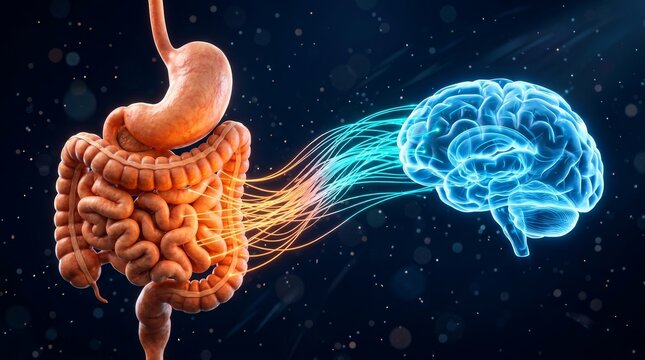
GLP-1 is released after you eat, signalling to the brain to prepare the body for appetite regulation and nutrient handling.
Important Jobs for GLP-1:
- Signals fullness to your brain, helping you feel satisfied after eating.
- Slows stomach emptying, allowing food to move more gradually through your digestive system so you stay full longer.
- Stimulates insulin release when blood sugar rises after a meal, resulting in better glycemic control.
- Reduces glucagon secretion, helping prevent unnecessary rises in blood sugar.
- Supports healthy appetite regulation, making it easier to recognize your body’s natural hunger and fullness cues.

GLP-1 hormone helps stimulate insulin release from the pancreas for better blood sugar control.
Together, these actions help explain why GLP-1 has become such an important focus in the treatment of obesity and type 2 diabetes. A hormone that helps people feel fuller while improving blood sugar control is naturally of interest to researchers, healthcare professionals, and the public alike.
Why Everyone Is Talking About Increasing GLP-1?
Although GLP-1 has been studied for decades, public interest has skyrocketed with the introduction of medications such as Ozempic, Wegovy, and Mounjaro, which target this hormone to help manage blood sugars and support weight loss.
These medications have demonstrated impressive results for many people, but they’ve also sparked an important question:
Can we Increase our GLP-1 Naturally?
The answer is encouraging. While food cannot replicate the potency or duration of GLP-1 medications, research suggests that the foods we choose at each meal can stimulate different amounts of GLP-1 release. By regularly choosing meals rich in protein, fibre, and opting for small amounts of “healthy fats,” you can naturally support your body’s GLP-1 response, helping improve fullness, support healthy blood sugar levels, and contribute to better overall metabolic health.
Rather than focusing on a single “GLP-1 food,” the evidence points to an overall eating pattern that emphasizes plenty of protein, fibre, and some healthy fats. These nutrients work together to support your body’s natural appetite-regulating hormones while also providing the vitamins, minerals, and energy needed for long-term health.
In the sections that follow, we’ll explore exactly how these nutrients influence GLP-1 and the simple, practical ways you can include more of them in your everyday meals.
Natural GLP-1 vs. GLP-1 Medications: What’s the Difference?
With the popularity of medications like Ozempic, Wegovy, and Mounjaro, it’s easy to assume they simply “increase” your body’s natural GLP-1. In reality, while these medications are designed to work on the same biological pathway, they function quite differently from the GLP-1 your body naturally produces after a meal.

Ozempic and Wegovy last in the body much longer than natural GLP-1, as they resist breakdown by DPP-4 more effectively.
Your Body’s Natural GLP-1
Every time you eat, specialized cells in your small intestine release GLP-1 into your bloodstream. This natural hormone begins working within minutes to help regulate appetite and blood sugar by:
- Signaling your brain that you’re becoming full
- Slowing the rate at which food leaves your stomach
- Stimulating insulin release when blood sugar rises
- Reducing glucagon, a hormone that raises blood sugar
The catch? Natural GLP-1 has a short lifespan. It’s quickly broken down by an enzyme called DPP-4, meaning its effects typically last only a few minutes after it’s released.
Fortunately, your body produces GLP-1 every time you eat, especially when your meals contain nutrients that stimulate a greater amount of this hormone. This is why choosing the “right types” of foods is crucial if you want to naturally increase GLP-1, which could mean reducing those annoying sugar cravings too.
Choosing foods that naturally stimulate more GLP-1 can help you feel fuller for longer and support healthier blood sugars.
How Do GLP-1 Medications Work?
GLP-1 receptor agonists, such as Ozempic and Wegovy, are medications designed to mimic the actions of your body’s natural GLP-1. Unlike the hormone your body produces, these medications are modified to resist breakdown by DPP-4, allowing them to remain active for much longer—often for days rather than minutes.
This prolonged action is one of the reasons these medications can have such powerful effects on appetite, blood sugar management, and weight loss. They provide a much stronger and longer-lasting signal than your body’s natural GLP-1 can produce on its own.
Can Food Replace GLP-1 Medications?
This is one of the most common questions I hear as a Registered Dietitian.
The answer is no.
No single food—or combination of foods—can replicate the potency or duration of GLP-1 medications. Claims that a particular food is “nature’s Ozempic” are misleading and not supported by current research.
However, that doesn’t mean nutrition isn’t important.
Research continues to show that protein-rich foods, fibre-rich carbohydrates, and healthy unsaturated fats can naturally increase your body’s GLP-1 release. While these effects are much more modest than medication, they can still help improve fullness, support blood sugar control, and contribute to better metabolic health over time.
For those not taking GLP-1 medications, these eating habits can naturally support better appetite regulation since GLP-1 slows digestion, allowing us to feel full for longer. For those who are taking a GLP-1 medication, prioritizing nutrient-rich foods remains essential for preserving muscle mass, meeting nutrient needs, and supporting long-term health.
Dietitian Take:
Rather than searching for a “magic” GLP-1 food, focus on building balanced meals that consistently include enough protein, lots of fibre, and some healthy fats. These three nutrients work together to support your body’s appetite-regulating hormones while providing nutrition to thrive.
| Natural GLP-1 | GLP-1 Medications |
| Released after eating | Medication mimics GLP-1 |
| Lasts only a few minutes | Lasts days to a week (depending on the medication) |
| Naturally stimulates fullness | Produces much stronger appetite suppression |
| Supports healthy blood sugar | Often prescribed to treat type 2 diabetes and/or obesity |
| Greatest amounts stimulated by protein and fibre, and to a lesser degree healthy fats | Administered as an injection or oral medication |
1. Protein: One of the Most Powerful Nutrients for Naturally Increasing GLP-1
If you’re looking for how to increase GLP-1 naturally, protein is one of the best places to start. This one nutrient consistently stands out in the research. In fact, research shows that protein-rich meals consistently stimulate GLP-1 secretion more than lower-protein meals.
Whether your goal is to feel fuller, improve blood sugar control, preserve/grow muscle, or support healthy weight loss, eating enough protein at meals is one of the most effective nutrition strategies you can implement. Check out our blog 5 Science-Backed Reasons Protein Supports Weight Loss to dive deeper.
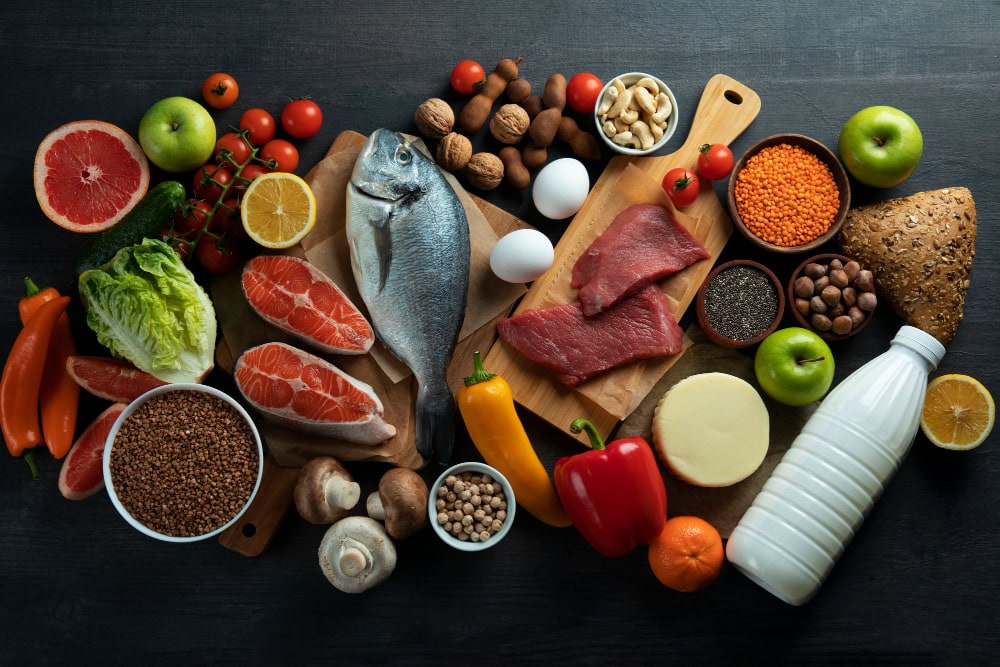
Protein breakdown in the body stimulates the small intestine to release more GLP-1.
How Does Protein Increase GLP-1 Naturally?
When you eat protein, your digestive system breaks it down into amino acids. These amino acids stimulate specialized cells in your small intestine to release GLP-1, sending powerful fullness signals to your brain while also helping regulate blood sugar after a meal.
Research consistently shows that higher-protein meals produce a greater GLP-1 response than lower-protein meals. Both animal- and plant-based proteins can stimulate GLP-1 release, although some studies suggest whey protein may produce one of the strongest GLP-1 responses.
This helps explain why a protein-rich breakfast or lunch often keeps you feeling satisfied for hours and reduces the urge to snack between meals. Protein is digested more slowly than carbohydrates, helping to delay stomach emptying and promote lasting fullness. It also has the highest thermic effect of food, requiring more energy for digestion and metabolism than other macronutrients.
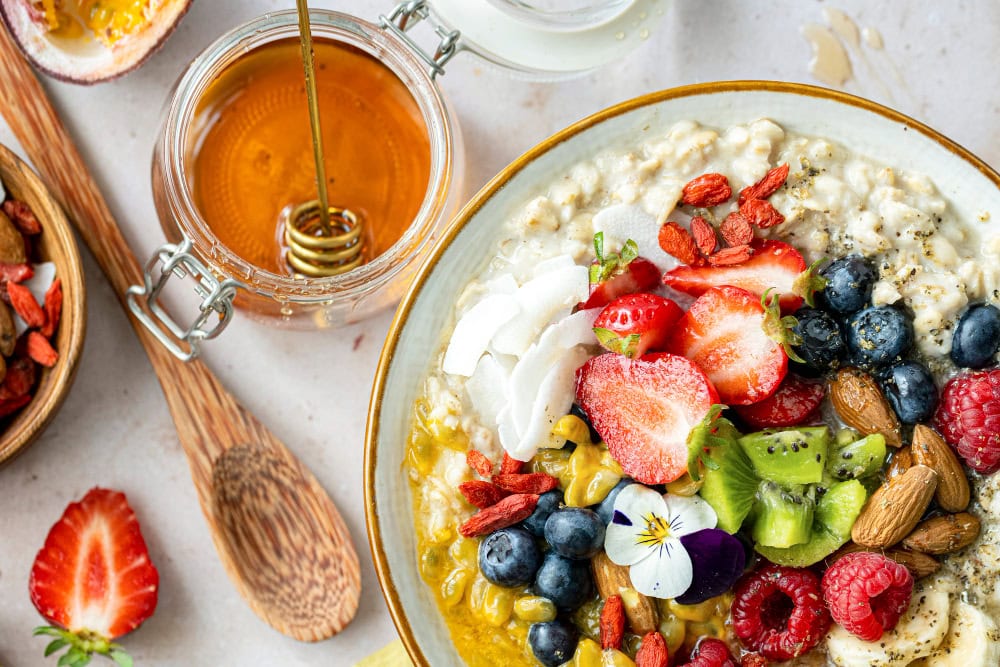
Enjoy a high-protein, healthy-fat, and fibre-filled breakfast to start your day.
Protein-rich meals consistently stimulate GLP-1 secretion MORE than lower-protein meals.
Am J Clin Nutr, 2024
Protein Does More Than Increase Fullness
While GLP-1 is one reason protein is so satisfying, it’s not the only one.
Protein supports appetite and metabolic health by:
- Stimulating GLP-1, helping you feel fuller after meals.
- Increasing other fullness hormones, including peptide YY (PYY).
- Reducing levels of ghrelin, often referred to as the “hunger hormone.”
- Slowing digestion, helping you stay satisfied longer.
- Supporting muscle maintenance and growth, especially during weight loss.
- Increasing the thermic effect of food, meaning your body uses more energy to digest and metabolize protein than carbohydrates or fat.
These combined effects make protein one of the most filling nutrients you can eat.
Dietitian Tip: Rather than saving most of your protein for dinner, aim to include sufficient, quality protein at every meal and snack. This supports fullness, better blood sugar control, and muscle health.
How Much Protein Should You Aim For?
Protein needs vary depending on your age, activity level, health conditions, and goals, but many adults benefit from aiming for 25–60 grams of protein at each meal.
This amount is often enough to support fullness while helping preserve lean muscle mass—particularly important during weight loss or healthy aging.
If you’re taking a GLP-1 medication, getting enough protein becomes even more important. Because these medications reduce appetite, many people unintentionally lose muscle mass while eating less protein than their body needs. Prioritizing protein helps preserve muscle mass, maintain strength, and support energy levels as weight changes.
A Registered Dietitian can help you determine the protein intake that’s right for your individual needs.
High-Protein Foods That Increase GLP-1 Naturally:
Try including one or more of these protein-rich foods at meals and snacks:
Animal-Based Proteins
- Chicken and turkey
- Lean beef and pork
- Fish and seafood
- Greek yogurt & Skyr
- Cottage cheese
- Egg whites & eggs
- Milk, high protein milk, & whey protein shakes
Plant-Based Proteins
- Tofu & Tempeh
- Edamame
- Lentils
- Chickpeas
- Beans
- Seitan
- Textured vegetable protein (TVP)
- Fortified soy and plant-based beverages
- Plant-based protein powders
These foods don’t just support GLP-1—they also provide essential nutrients that contribute to long-term health, including iron, calcium, vitamin B12, omega-3 fats, and fibre (depending on the food source).
Did You Know?
Research suggests that calcium may work alongside protein to further enhance GLP-1 release. Foods like Greek yogurt, cottage cheese, milk, and calcium-fortified soy beverages naturally provide both protein and calcium, making them excellent choices for supporting fullness while also promoting bone health. (Adv Nutr, 2021)
Do I need extra protein if I’m taking a GLP-1 medication?
Yes. Many people eating less on GLP-1 medications unintentionally reduce their protein intake. Prioritizing protein helps preserve (or grow) lean muscle mass (especially important on a calorie reduction), maintain strength, and support healthy aging during weight loss. A Registered Dietitian can help determine the right amount of protein for your individual needs.
2. Fibre: Feed Your Gut to Naturally Increase GLP-1
Another important strategy for how to increase GLP-1 naturally is increasing your fibre intake.
Most Canadians don’t eat enough fibre, yet it’s one of the most powerful nutrients for improving fullness, blood sugar control, digestive health, and long-term metabolic health. Unlike protein, which directly stimulates GLP-1 release after a meal, fibre supports GLP-1 through a different—but equally fascinating—pathway: your gut microbiome.
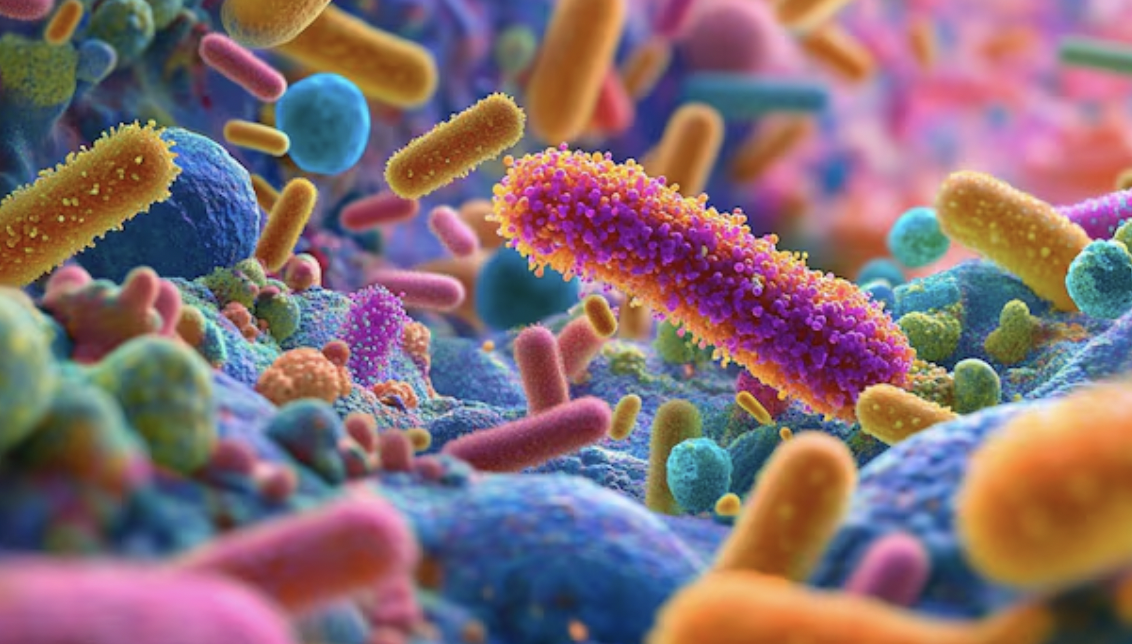
Beneficial gut bacteria break down fibre in the intestine, encouraging the release of GLP-1 and improving fullness.
How Does Fibre Support GLP-1?
Certain types of fibre, particularly soluble and fermentable fibre, travel through your digestive system without being fully digested. Once they reach your large intestine, they become food for your beneficial gut bacteria.
As these bacteria break down or ferment fibre, they produce compounds called short-chain fatty acids (SCFAs). Think of SCFAs as tiny chemical messengers that communicate with the cells lining your intestine, encouraging them to release more GLP-1 and other appetite-regulating hormones.
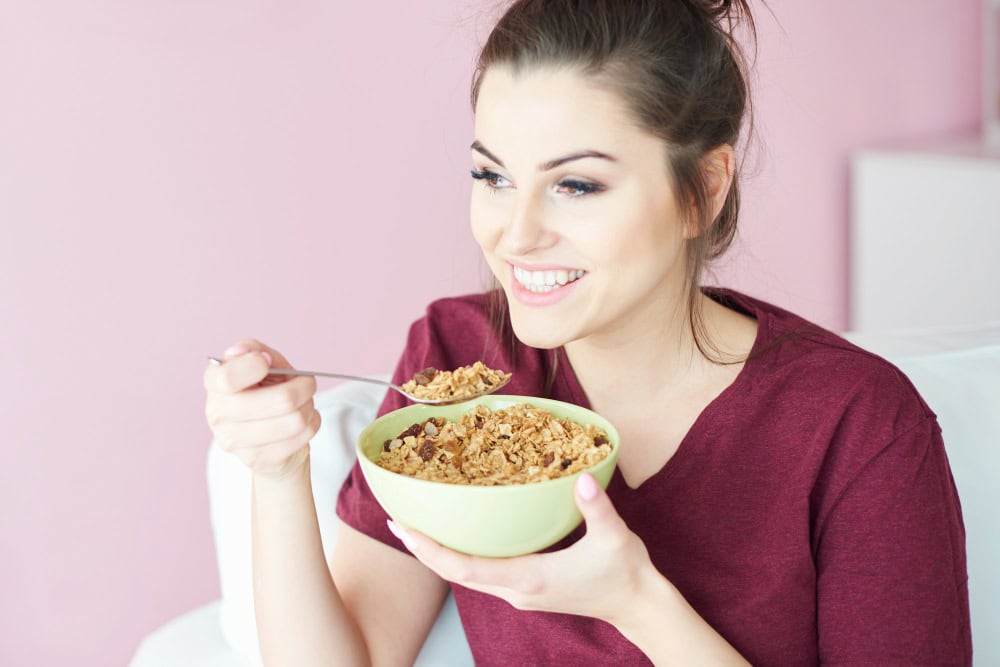
Boosting fibre is a way to support fullness, better blood sugars and lower cholesterol.
In simple terms, the process looks like this:
Eat more fibre → Feed healthy gut bacteria → Produce more SCFAs → Increase natural GLP-1 release → Feel full for longer.
Fibre Does More Than Just Support GLP-1
The benefits of fibre extend far beyond appetite regulation. A fibre-rich diet can also:
- Slow digestion, helping you stay satisfied between meals.
- Reduce blood sugar spikes by slowing the absorption of carbohydrates.
- Support a healthy gut microbiome, which plays an important role in overall metabolic health.
- Promote regular bowel movements and digestive health.
- Help lower cholesterol, particularly soluble fibre.
- Reduce the urge to snack, making portion control feel more natural rather than restrictive.
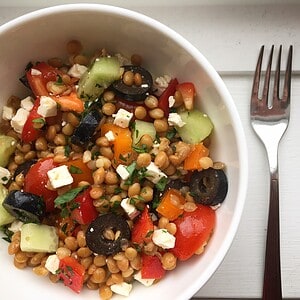
Try our Easiest Greek Lentil Salad for a make-ahead lunch loaded with fibre and veggies!
Dietitian Tip: Instead of counting grams of fibre at every meal, aim to fill half your plate with vegetables, include fruit daily, and regularly choose whole grains and legumes. Variety nourishes different beneficial gut bacteria.
The Best High-Fibre Foods to Naturally Increase GLP-1
Choose a variety of plant foods throughout the week to nourish your gut microbiome. Some examples include:
Whole Grains
- Bran and Oats
- Barley
- Quinoa
- Farro
- Brown rice
- 100% whole grain or sprouted grain bread
Legumes
- Lentils
- Chickpeas
- Black beans
- Kidney beans
- Navy beans
- Edamame
Fruits
- Apples
- Pears
- Kiwi
- Berries
- Oranges
Vegetables
- Broccoli
- Brussels sprouts
- Sweet potato
- Carrots
- Spinach
- Kale
- Green peas
Nuts & Seeds
- Chia and ground flaxseeds
- Pumpkin and sunflower seeds
- Walnuts, pistachios, peanuts
How Much Fibre Do You Need?
Most adults should aim for:
- Women: at least 25 grams of fibre per day
- Men: at least 38 grams of fibre per day
If your current intake is much lower, like the vast majority of the population, increase fibre gradually over several weeks and drink plenty of water to help prevent digestive discomfort.
Remember, consistency matters more than perfection. Even adding one extra serving of bran buds with your regular cereal or swapping white bread for whole grain can move you in the right direction and stimulate more GLP-1 for fullness too.
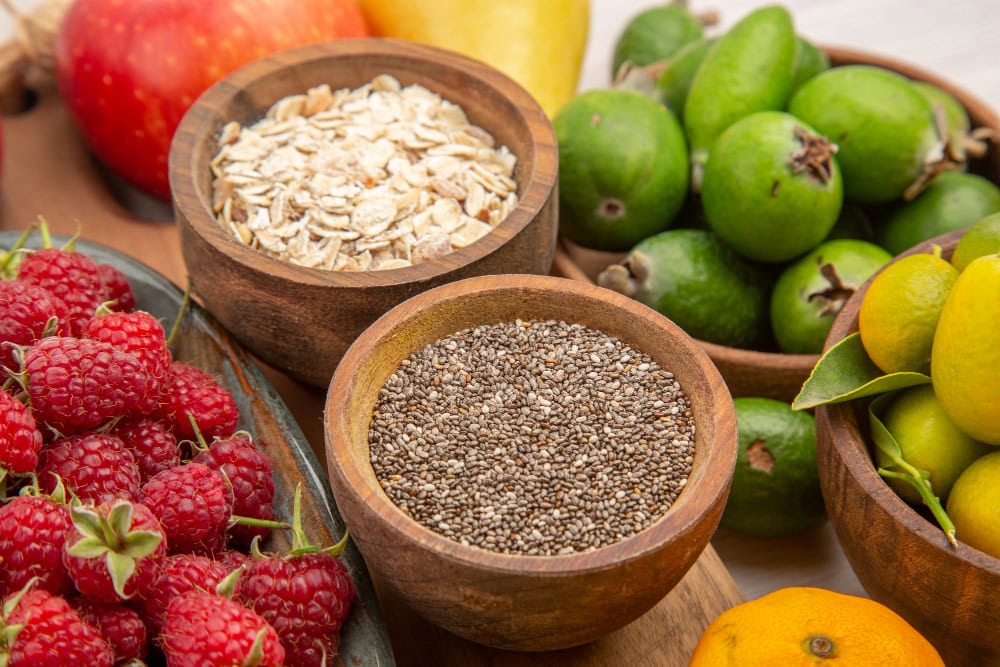
3. Healthy Fats: The Final Piece of the GLP-1 Puzzle
Healthy fats are another important piece of the puzzle when learning how to increase GLP-1 naturally. For years, fat was unfairly labeled as something to avoid. Today, we know that the type of fat you eat matters far more than the amount. In fact, research shows that healthy fats are an important part of a balanced diet and may help support your body’s natural GLP-1 response.
While protein and fibre tend to get most of the attention, healthy fats play a complementary role by slowing digestion, increasing meal satisfaction, and supporting heart and metabolic health.
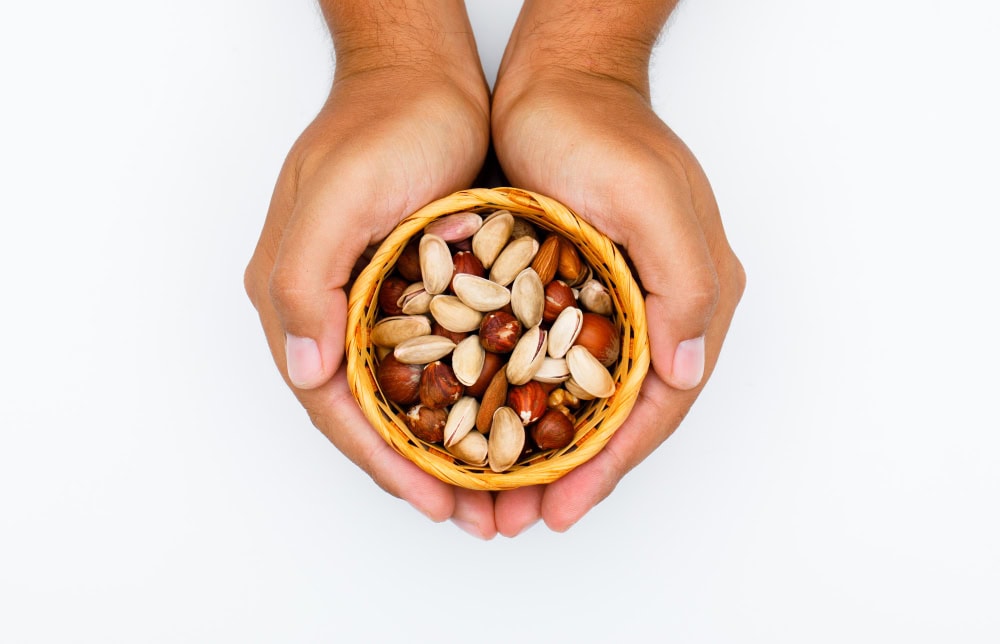
Choose healthy fats to slow digestion and encourage GLP-1 signalling to the brain.
How Do Healthy Fats Support GLP-1?
Like protein and fibre, dietary fat slows the rate at which food leaves your stomach. This slower digestion prolongs feelings of fullness, giving GLP-1 and other appetite-regulating hormones more time to signal your brain that you’ve had enough to eat.
Emerging research also suggests that unsaturated fats, particularly monounsaturated and polyunsaturated fats, may stimulate a greater GLP-1 response than saturated fats. While more research is needed, choosing healthy fats consistently supports overall metabolic and cardiovascular health.
The goal isn’t to eat more fat—it’s to choose healthier fats more often. Therefore, being mindful of healthy-fat portion size is still key.
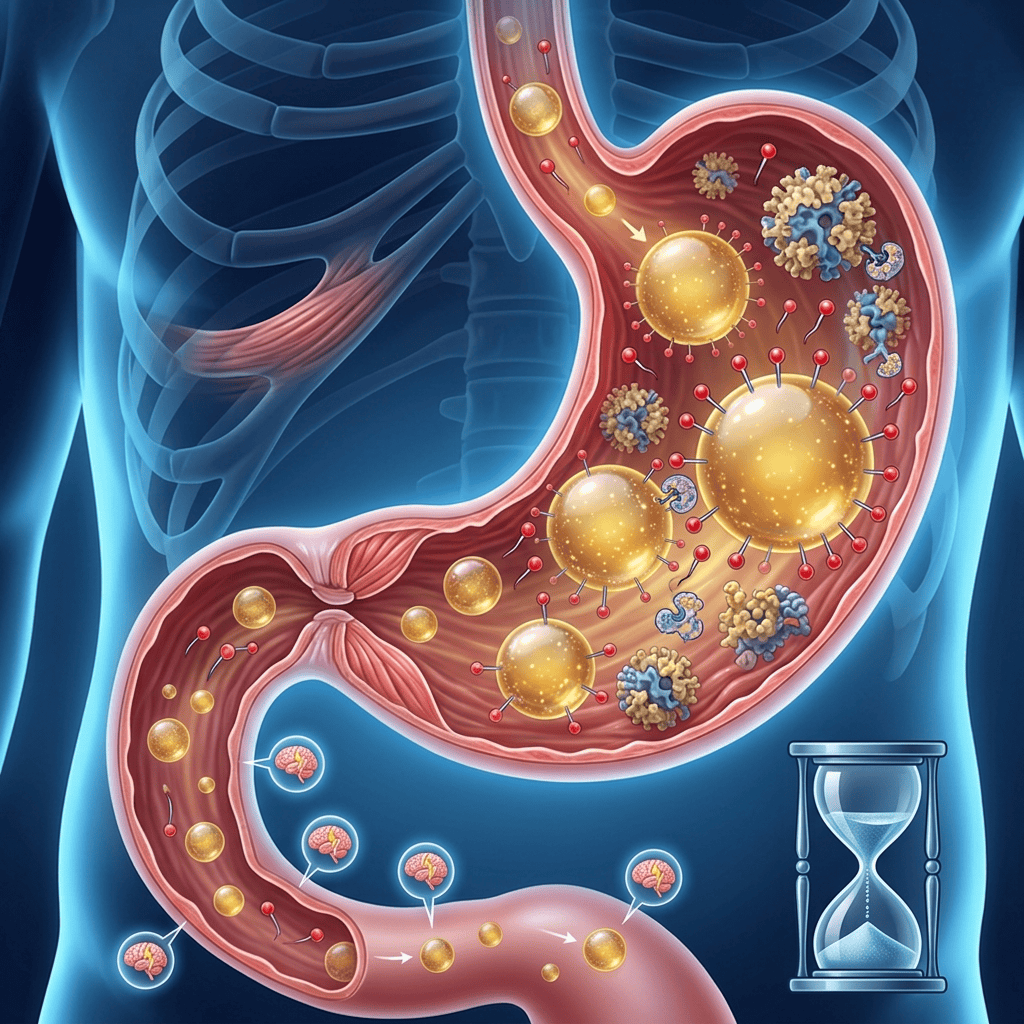
Like protein and fibre, healthy fats slow transit time as food leaves the stomach.
Healthy Fats Offer More Than Fullness
Healthy fats provide many benefits beyond appetite regulation. They can:
- Slow digestion, helping meals feel more satisfying.
- Support heart health by improving cholesterol levels when replacing saturated fats.
- Help absorb fat-soluble vitamins (A, D, E, and K).
- Provide essential fatty acids, including omega-3 fats, that support brain and heart health.
- Enhance flavour and satisfaction, making balanced meals more enjoyable and sustainable.
Dietitian Tip: You don’t need large amounts of fat to reap the benefits. A small handful of nuts, a quarter of an avocado, or a drizzle of olive oil is often enough to add flavour, improve satisfaction, and complement a balanced meal.
The Best Healthy Fat Sources
Choose these foods regularly as part of your meals and snacks:
Plant-Based Healthy Fats
- Extra virgin olive oil
- Avocados
- Walnuts
- Almonds
- Pistachios
- Chia seeds
- Ground flaxseed
- Pumpkin seeds
- Sunflower seeds
Omega-3-Rich Foods
- Salmon
- Trout
- Sardines
- Herring
- Mackerel
What About Saturated Fat?
Not all fats affect the body in the same way.
Research suggests that diets higher in unsaturated fats are associated with better metabolic health and may be more supportive of natural GLP-1 responses than diets high in saturated fat. On the other hand, saturated fats, found in butter, cured meats, and high-fat processed foods, are best enjoyed in moderation as part of a balanced eating pattern.
Rather than focusing on restriction, think about swapping:
- Butter → olive oil
- Chips → a handful of nuts
- Cream-based dips → hummus or avocado
- Fatty processed meats → salmon or grilled chicken
Small, consistent changes can have a BIG impact.
Putting It All Together: Build Meals That Work With Your Body
Instead of searching for one “GLP-1 superfood,” focus on building meals that combine the three nutrients we’ve explored throughout this article:
Andrea’s GLP-1 Meal Formula
- Protein to stimulate GLP-1 for fullness, better blood sugars and to either maintain or ideally grow those muscles.
- Fibre-rich carbohydrates to nourish your gut microbiome, improve cardiovascular health and prolong fullness.
- Healthy fats to slow digestion, aid in nutrient absorption and increase meal satisfaction.
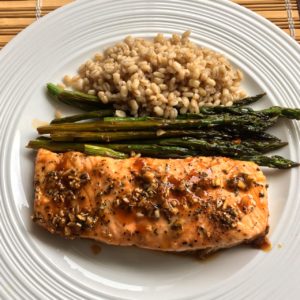
Try our Honey Garlic Salmon with roasted asparagus and barley as part of Andrea’s GLP-1 Meal Formula.
GLP-1 Increasing Meal Examples:
Breakfast
- Greek or Skyr yogurt (mix in protein powder to boost further) topped with fresh or berries and chia seeds.
- Bran Buds mixed with Farm Girl Cinnamon Puffs and high protein milk. Sprinkle of pumpkin seeds.
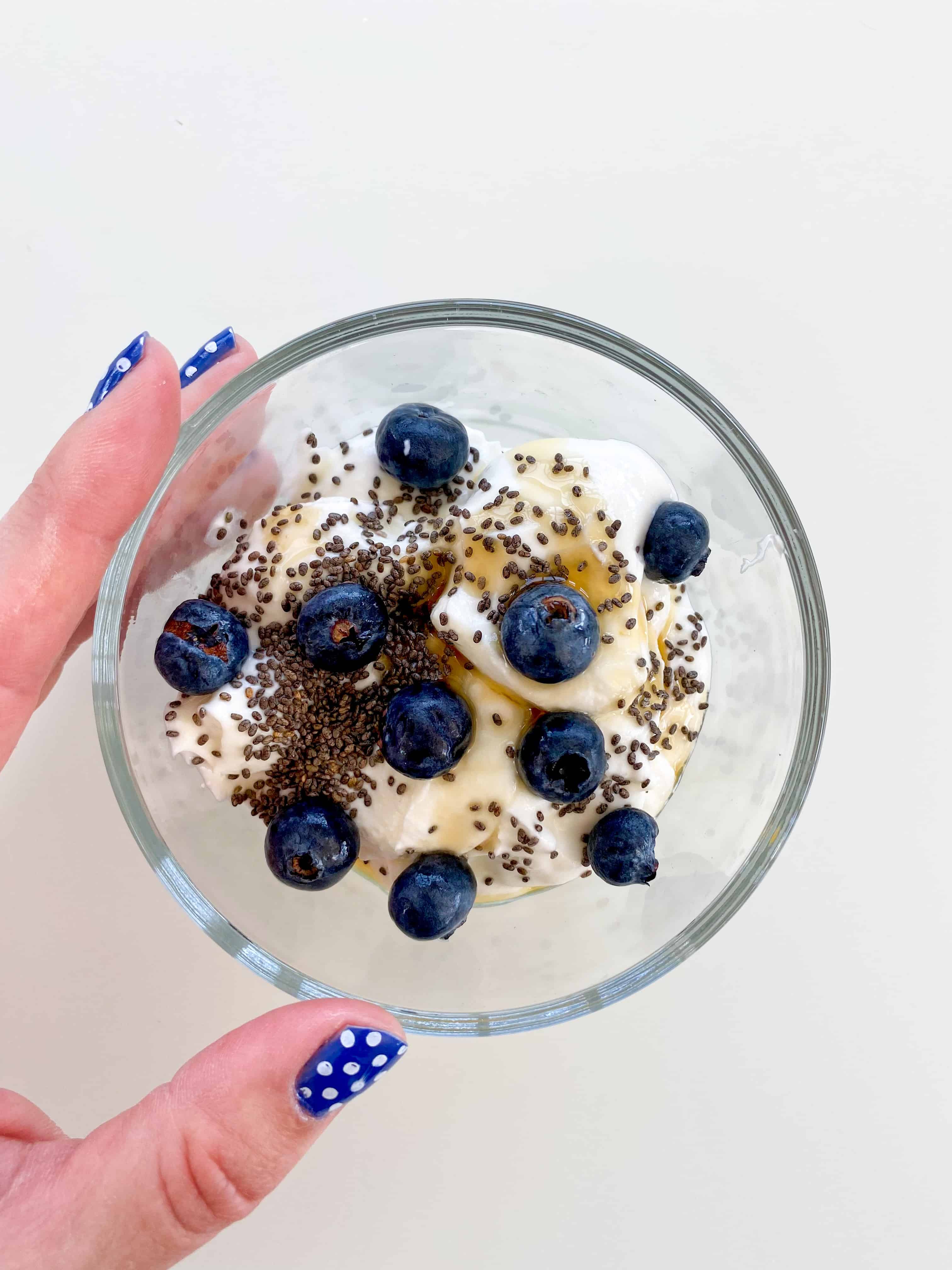
Try our Skyr Yogurt Parfait for a light Breakfast or Snack
Lunch
- Quinoa, Lentil & Sausage Stuffed Peppers (perfect leftovers)
- Buddha Bowl with grilled chicken/tofu, brown rice, roasted vegetables, and an olive oil vinaigrette
- Salmon Poke Bowl

Try our Quinoa, Lentil & Sausage Stuffed Peppers. A nutritious, filling & flavorful meal.
Dinner
- Sheet pan Haddock with Veggies on a bed of barley
- BBQ salmon, sweet potato, broccoli, and a sprinkle of pumpkin seeds
- Beefy Rotini with whole grain pasta

You’re sure to love our Sheet Pan Haddock & Veggies if you are on a GLP-1 medication or not. Perfect for easy cleanup.
Snack
- Easy Edamame with oil and sesame seeds
- Apple slices with PB2 (higher protein alternative)
- Cottage cheese with berries and sprinkle of pistachios
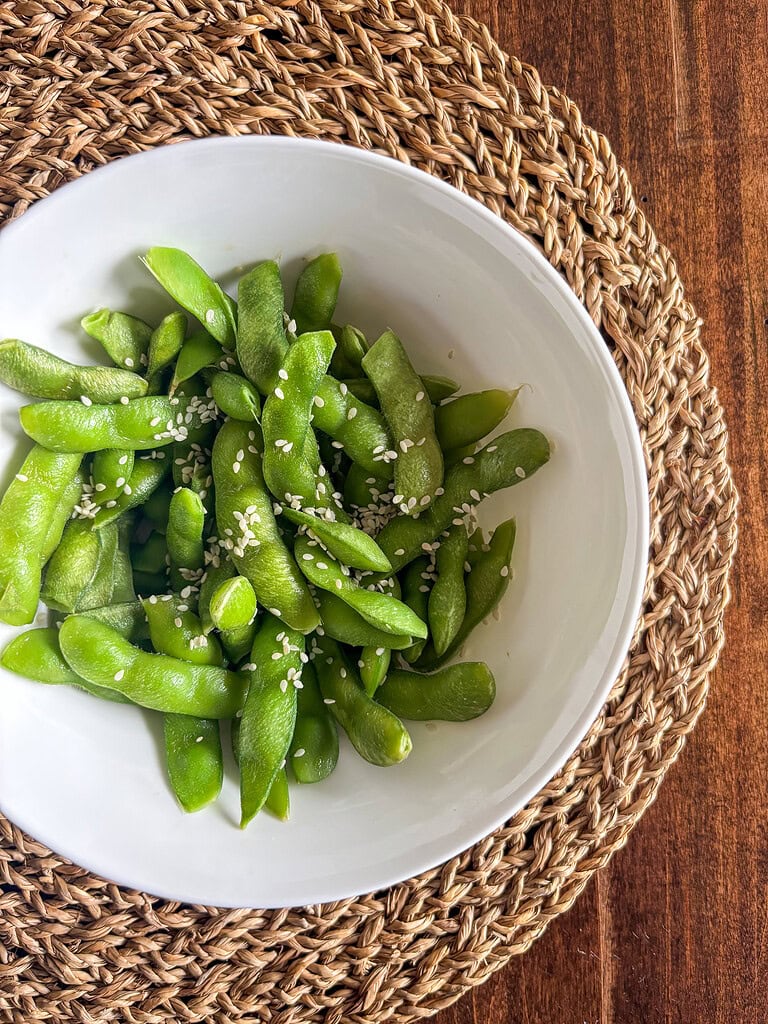
You’re sure to devour our high protein, high fibre, Easy Edamame. It takes only minutes to prepare and it’s GLP-1 friendly!
Choose meals that combine nutrients to naturally support your body’s appetite-regulating hormones while providing the nourishment needed for overall health.
Summary of Nutrient Impacts on Natural GLP-1:
| Protein | Fibre | Healthy Fats |
| Directly stimulates GLP-1 | Feeds gut bacteria that support GLP-1 | Slows digestion and prolongs fullness |
| Preserves muscle | Improves gut health | Supports heart health |
| Reduces hunger | Improves blood sugar | Increases meal satisfaction |
Dietitian Andrea’s Take
As a Registered Dietitian, I encourage my clients to focus on building meals, not chasing trends. While there isn’t a magic food that will dramatically increase GLP-1 (especially as much as a drug can), there are tremendous health and body composition benefits that come from consistently choosing balanced meals with enough protein, plenty of fibre, and some healthy fats.
Whether your goal is weight management, improving blood sugars, supporting heart health, building muscle mass for strength and healthy aging, or simply feeling more energized, these nutrition habits create a strong foundation for long-term success.
Remember, food is about so much more than calories—it’s information for your body. Every balanced meal is another opportunity to support your natural hunger and fullness signals while nourishing yourself with the nutrients you need to thrive.

Ready for Personalized Nutrition Support?
If you’re looking to improve your blood sugar, manage your weight, or optimize your nutrition—whether you’re taking a GLP-1 medication or you simply want to support your body’s natural GLP-1 production—our team of Registered Dietitians is here to help.
At Dietetic Directions, we provide individualized, evidence-based nutrition counselling tailored to your health goals, lifestyle, and food preferences. Together, we’ll help you build realistic, sustainable habits that fit your life—not a restrictive diet that feels impossible to maintain.
Gain confidence in your food choices.
Bottom Line to Increase GLP-1 Naturally:
With all the buzz surrounding Ozempic, Wegovy, and other GLP-1 medications, it’s easy to wonder whether food can have a similar effect on your body’s natural GLP-1 production.
The answer is yes—but with realistic expectations.
You can increase GLP-1 naturally by building balanced meals with adequate protein, enough fibre, and some healthy fats rather than searching for a single “miracle food.” The evidence supporting the impact and power of nutrition is there. Finally, each meal is an opportunity to nourish and fuel yourself, whether you are on a GLP-1 medication or not.
Up Next
This is Part 1 of our GLP-1 series.
In Part 2, we’ll explore 7 lifestyle habits that naturally support GLP-1, including how sleep, exercise, meal timing, stress management, and eating behaviours influence your body’s appetite-regulating hormones.
Related Topics

Andrea D'Ambrosio is a Registered Dietitian, health-enthusiast and adoring foodie. She started Dietetic Directions as a way to share science-based information mixed with inspirational content for lifelong change.
Book a Dietitian ConsultationRelated Recipes



Hi! I’m Andrea,
Registered Dietitian, health enthusiast, and proud foodie. I created Dietetic Directions to bring together science-based nutrition and real-life strategies that make healthy eating feel achievable and enjoyable. I believe in finding balance, building sustainable habits, and helping you feel your best—without perfection.
Know More About Me