

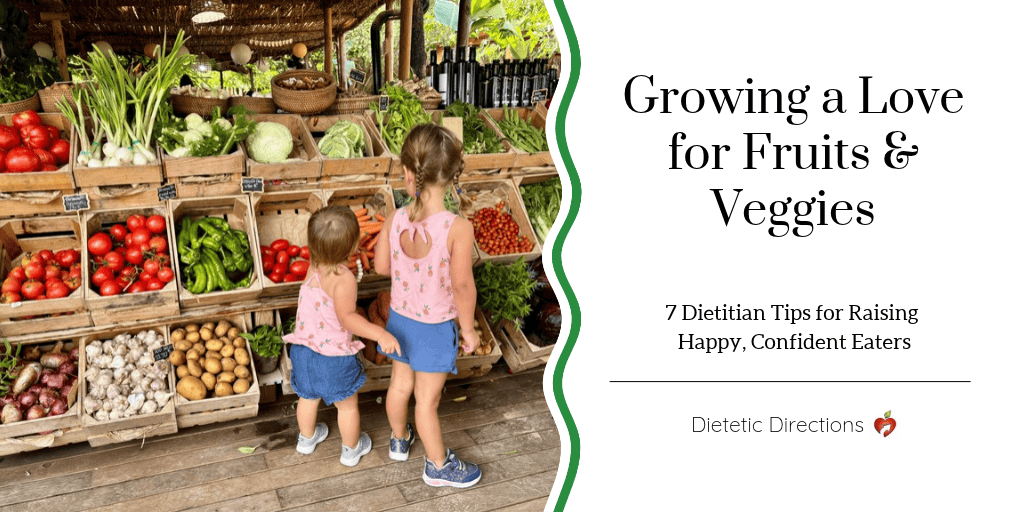
7 Dietitian Tips for Raising Happy, Confident Eaters
Many parents want their children to eat more vegetables. But what if our goal went beyond getting kids to eat their veggies and fruit today? What if we focused on helping them develop a positive relationship with food that lasts a lifetime?
A healthy food relationship is about more than what children eat. It involves how they feel about food, their confidence exploring new tastes and textures, and their experiences around mealtimes. Rather than focusing on getting your child to eat a particular fruit or vegetable today, we can work toward helping them feel comfortable, curious and confident around a variety of foods over time.
Interested in helping your child feel comfortable with, curious about and confident exploring produce? Learn how to without the pressure or power struggles.
As a Registered Dietitian and mom of two daughters, I’m passionate about helping families eat well and feel good about the foods they enjoy. My team of Dietitians know that feeding littles can come with plenty of challenges, especially when familiar favourites seem to change overnight!
In this blog, I’m sharing my 7 dietitian-approved tips for helping kids develop a love for fruits and veggies in a fun, positive and pressure-free way. Whether you’re navigating picky eating, introducing new foods or simply looking for ways to make family meals more enjoyable, these strategies can help you build a positive foundation for years to come.
7 Dietitian Tips for Encouraging Kids to Enjoy Fruits and Veggies
Raising children who feel comfortable exploring different foods takes time and consistency. It starts with creating positive experiences, offering repeated opportunities to explore foods and modelling healthy habits ourselves.
The goal isn’t to make every meal perfect or have your child eat every vegetable on their plate. It’s to build an environment where food can be enjoyed without pressure, guilt or power struggles.
Let’s dig in!
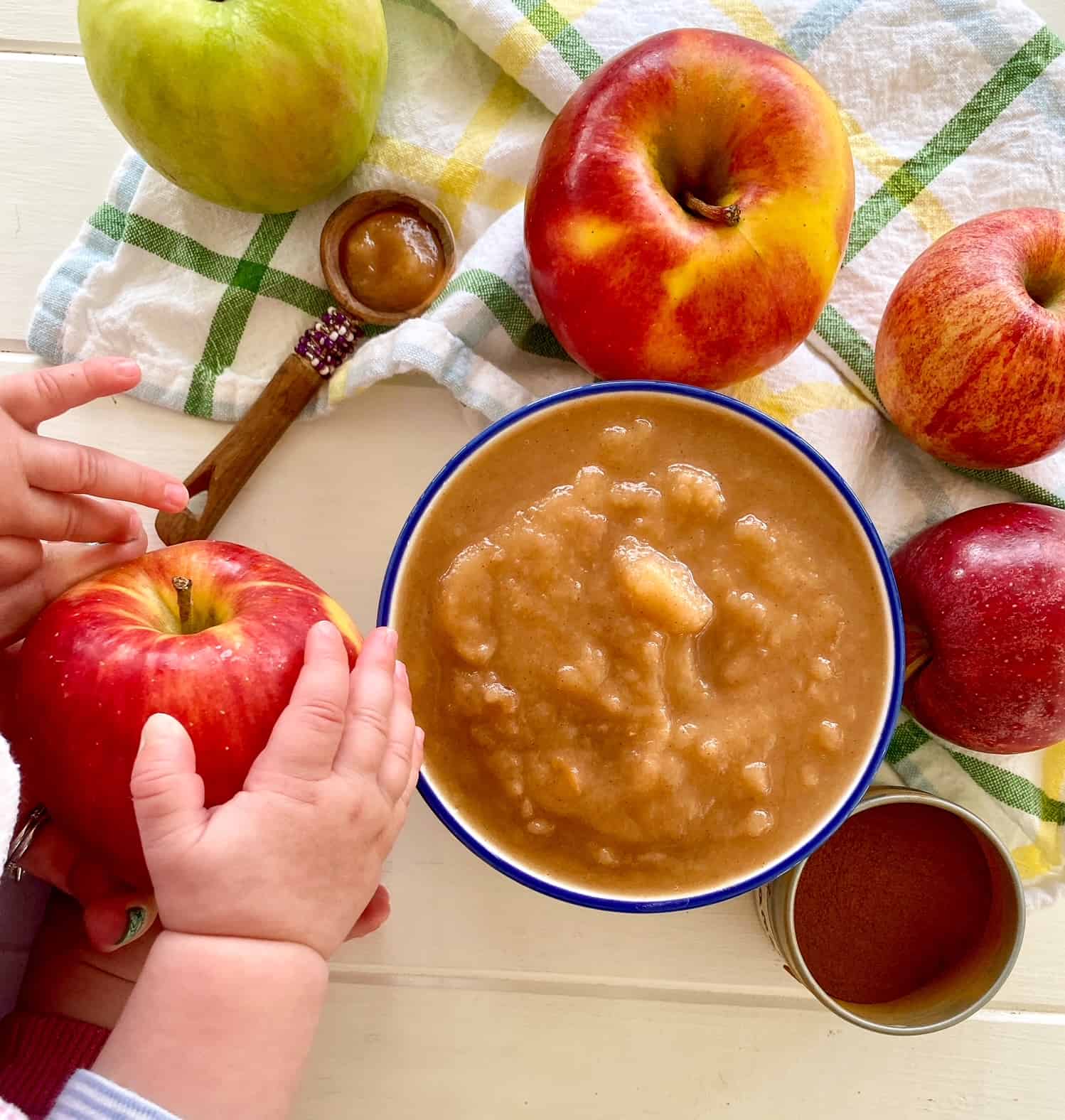
1. Make It Fun!
Kids love to have fun, so why not bring that same energy to exploring fruits and vegetables?
Making produce fun can help children build positive associations with food. It also gives them opportunities to learn about different foods without the expectation that they must eat them.
Here are a few of my favourite ways to make fruits and veggies fun for the whole family:
- Explore where food grows. Visit an apple orchard, explore a community garden or check out a friend’s backyard vegetable patch. Seeing how food grows can spark curiosity and give children a new appreciation for the foods they see on their plates.
- Visit a farmers’ market. Make it a fun weekend activity! Talk to farmers, explore colourful produce and let your child help choose a fruit or vegetable to bring home. You could even ask them to pick two vegetables for your next pizza or stir-fry.
- Play a colour game. Challenge your little one to find fruits and vegetables that are red, orange, green or purple. You can play at the grocery store, while preparing dinner or when exploring new foods at home.
- Host a crunch contest! Whenever my daughters and I eat carrots, we sometimes have a crunch contest to see who can make the loudest sound. It always leads to laughter, and my husband often joins in, too!
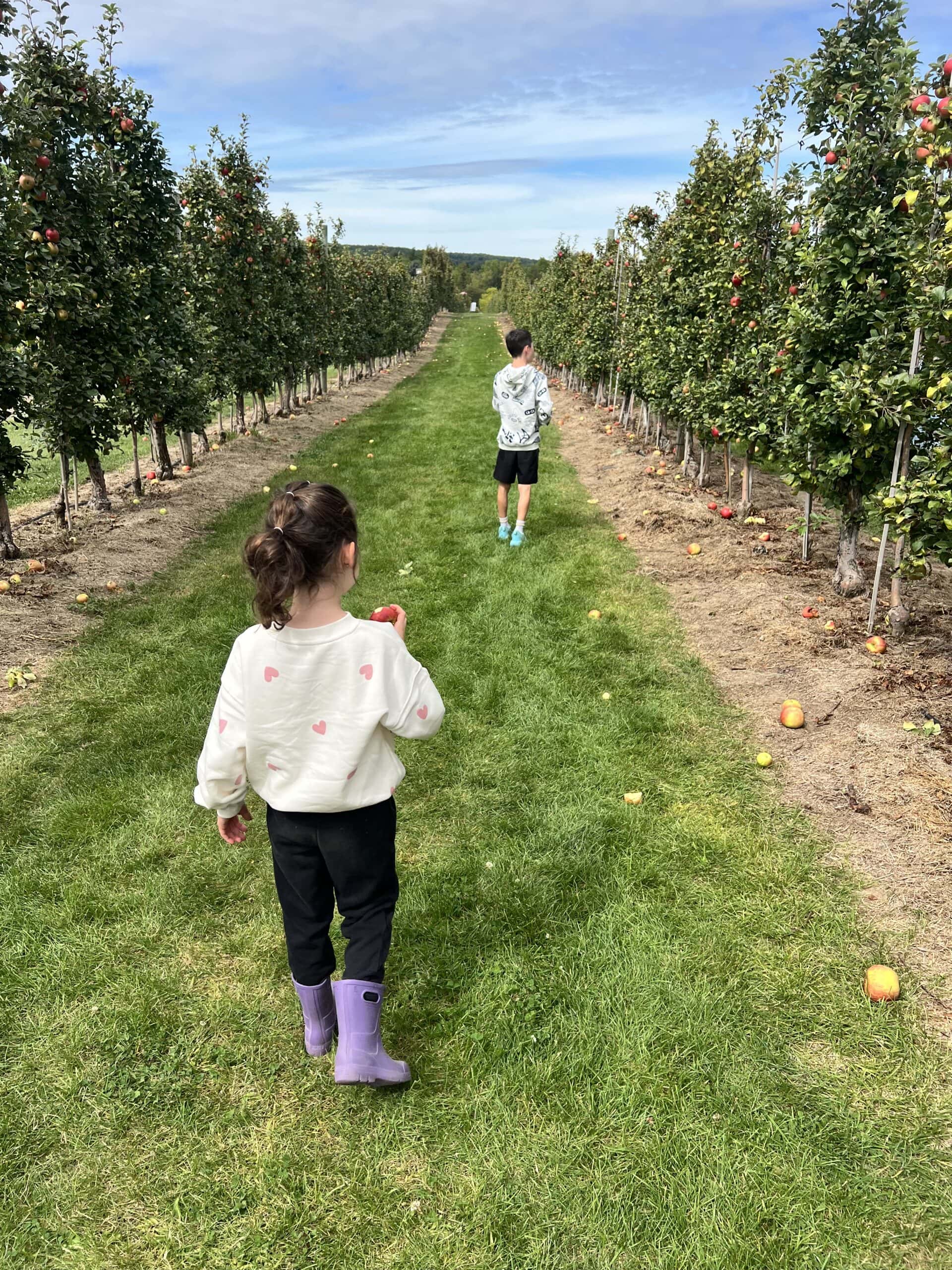
Dietitian Tip: Remember that exploring food doesn’t have to mean eating it. Looking, touching, smelling, preparing and talking about new foods are all ways children can become more familiar with them.
2. Get Cooking with Kids!
Once your little ones have had opportunities to explore produce, invite them into the kitchen!
Learning food skills, such as washing, peeling, mixing and preparing ingredients, helps children build confidence and practical skills they can use throughout life. It also gives them a chance to become more involved in the foods they eat.
Start with simple, age-appropriate tasks and gradually introduce new skills as your child grows. Younger children might enjoy washing vegetables, stirring ingredients or adding toppings, while older children can learn to measure, peel and chop with appropriate supervision.
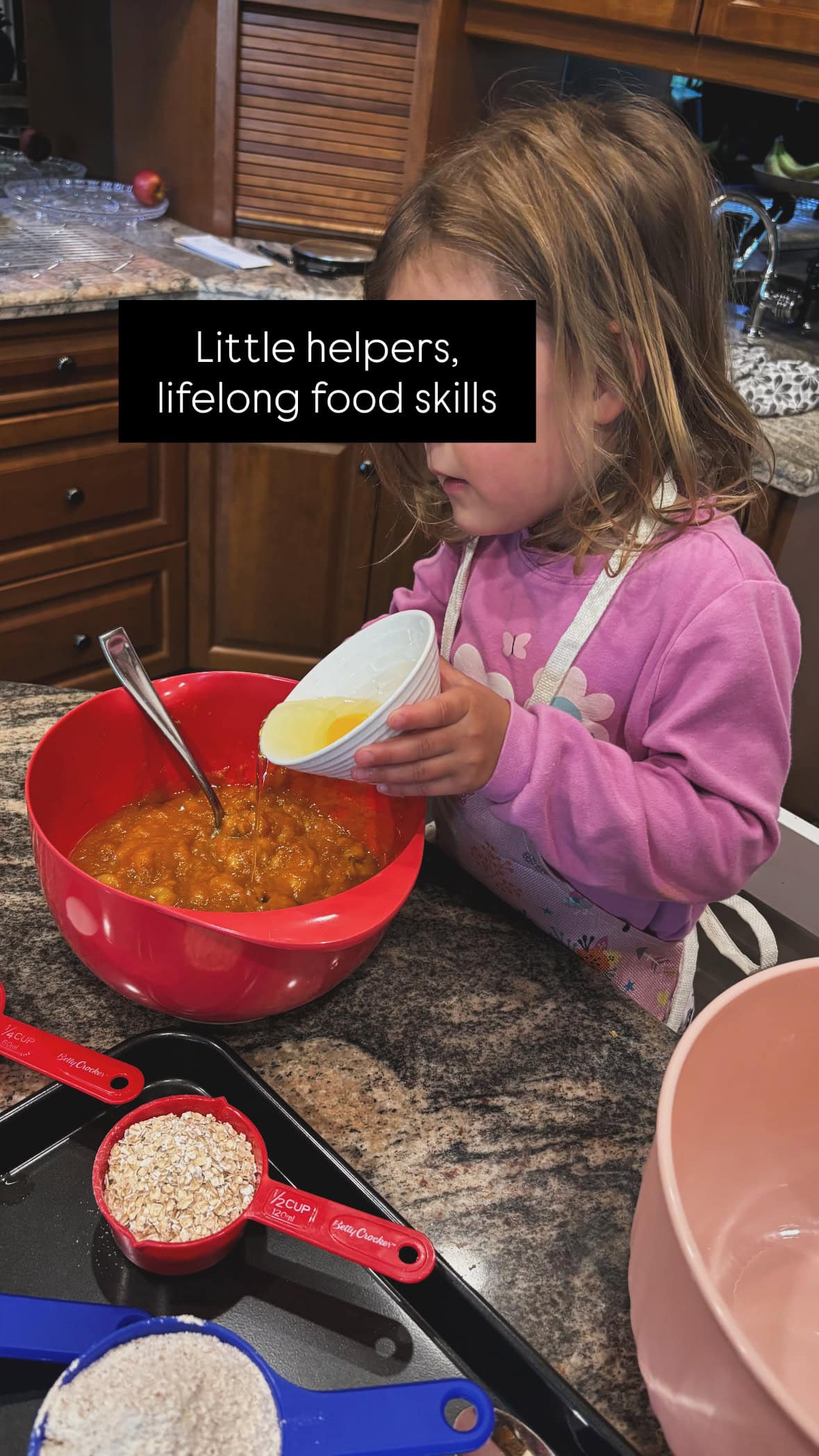
I love making smoothies and muffins with my daughters. Full disclosure: getting little helpers involved often means extra preparation and a bit more mess (or a lot more mess!) I find it helps to arrange the ingredients, bowls and measuring spoons ahead of time so they can participate more easily.
That extra effort can be worthwhile when it creates opportunities for learning, connection and confidence.
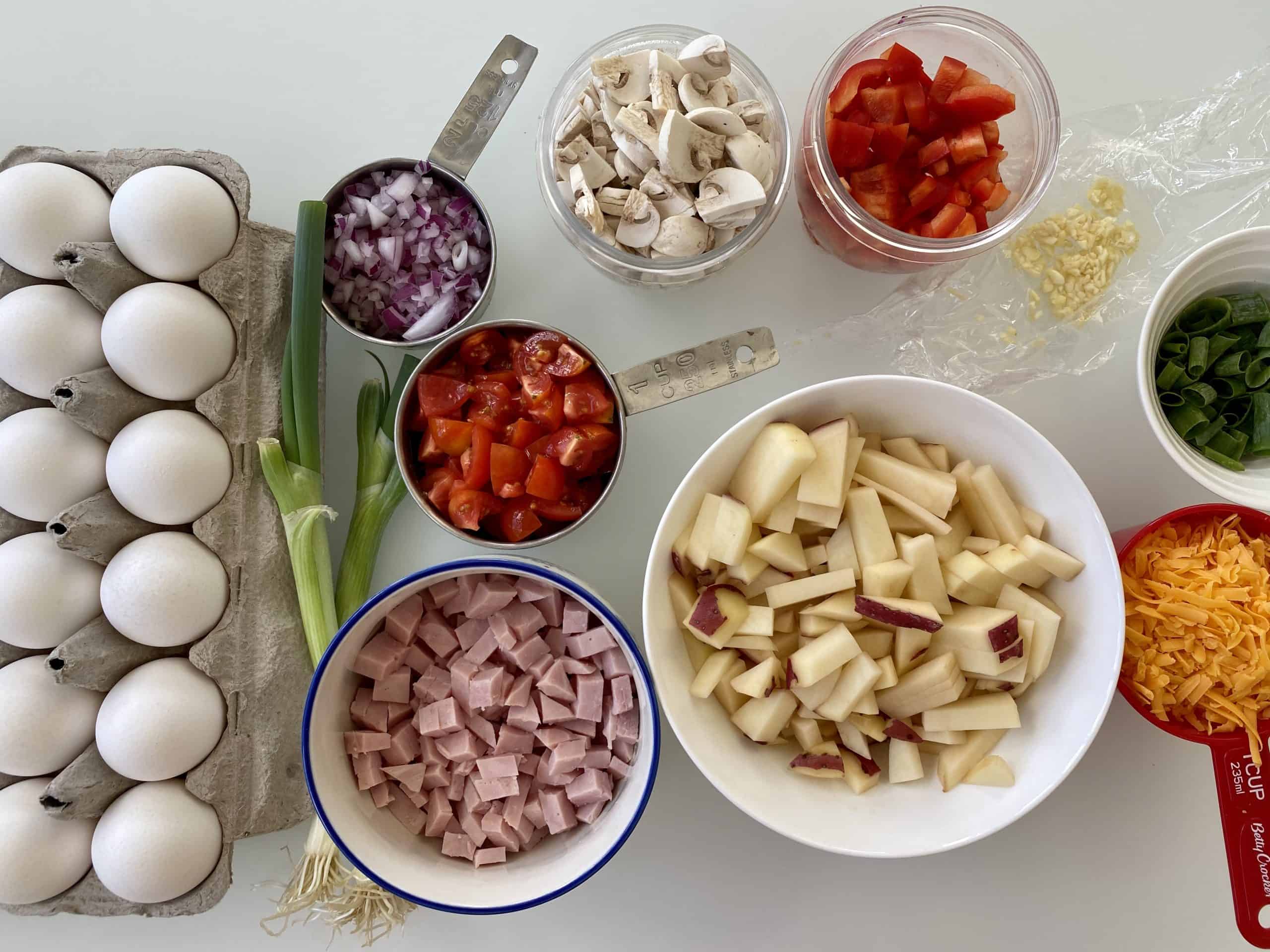
Preparing ingredients ahead of time makes it easier for children to help assemble meals and build lifelong food skills.
As you cook together, invite your children to make choices and get curious about the ingredients:
- “Should we add one spoonful or two spoonfuls of peanut butter to our smoothie?”
- “What do you think Greek yogurt will add to our smoothie?”
- “Would you like to enjoy our smoothie in a cup or make smoothie bowls?”
- “Which vegetables should we add to our homemade pizza?”
When children participate in preparing food, they get to explore ingredients, practise decision-making and feel involved in the process.
Dietitian Tip: You don’t need to make every meal from scratch to build food skills. Washing cherry tomatoes, adding berries to yogurt or helping pack a lunchbox are great places to start.
3. Create a Positive, Low-Pressure Food Environment
When it comes to building a healthy relationship with food, a positive, low-pressure environment is key.
It’s tempting to encourage children to eat their vegetables by offering a reward, such as dessert, or insisting they finish everything on their plate. However, pressure, bargaining and guilt can make mealtimes more stressful and may create negative associations with certain foods.
Instead, focus on what you can control: the foods you offer and the environment in which you serve them.
This approach aligns with the Division of Responsibility in Feeding, developed by feeding expert Ellyn Satter. In general, parents and caregivers are responsible for deciding what foods are offered, when meals and snacks happen, and where eating takes place. Children are responsible for deciding whether to eat the foods offered and how much to eat, guided by their hunger and fullness cues.
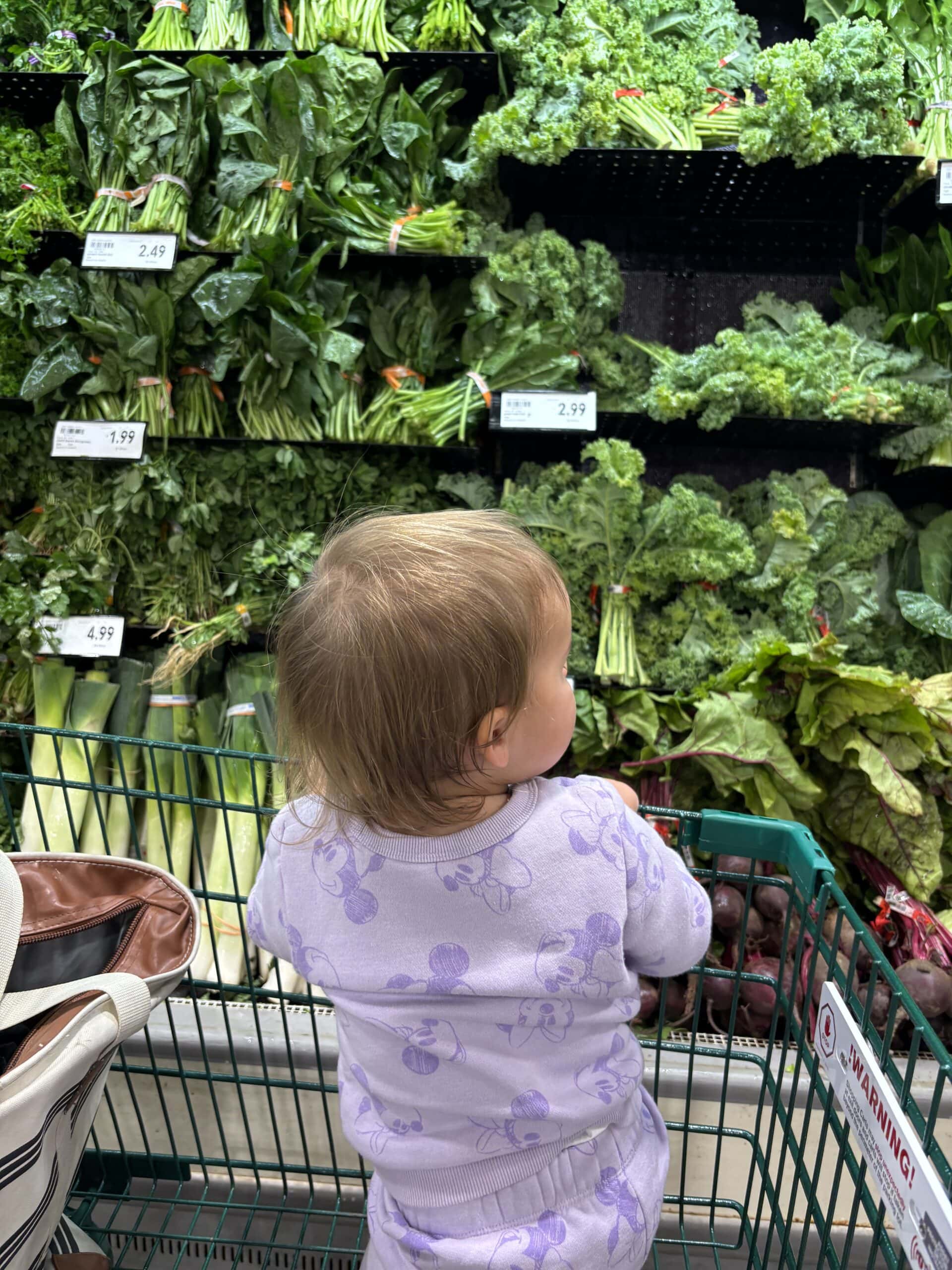
A pressure-free environment helps children build food confidence and develop positive associations with eating.
In practice, this means:
- Offer a variety of nutritious foods at regular meals and snacks.
- Include familiar foods alongside foods your child is still learning about.
- Let your child decide whether and how much to eat from what’s offered.
- Avoid pressuring, bribing or insisting that your child take a bite.
- Keep mealtimes calm and supportive, even when your child doesn’t eat everything you hoped they would.
For example, you might serve roasted broccoli alongside pasta and chicken. Your child may eat the pasta and chicken but leave the broccoli untouched. That’s okay! You can continue offering broccoli at future meals without making eating it a requirement.
If your child chooses not to eat, maintain your usual meal and snack routine rather than preparing a separate meal on demand. The next planned eating opportunity provides another chance to nourish their body.
Work with a Registered Dietitian to develop a personalized nutrition plan tailored to your individual needs and goals.
Key Takeaway: Your job isn’t to make your child eat their vegetables. It’s to offer nourishing foods consistently and create opportunities for them to explore those foods at their own pace.
4. Offer Variety and Prepare Foods in Different Ways
Have you ever noticed that you enjoy a particular vegetable cooked one way but not another? Children are no different!
Offering a variety of fruits and vegetables, prepared in different ways, can help children discover the flavours and textures they enjoy.
For example, broccoli can be:
- Roasted until golden and tender.
- Added to soups or stir-fries.
- Steamed and served with a favourite dip.
- Baked with a light coating of breadcrumbs.
- Served raw with hummus or another dip, if age-appropriate.
Growing up, my mom made breaded cauliflower, which we loved! She also added cauliflower to stir-fries and soups. Raw cauliflower on a vegetable platter, however, was never my favourite. To this day, I’m a big fan of cooked cauliflower!
The lesson? How a food is prepared can make a big difference in whether we enjoy it.
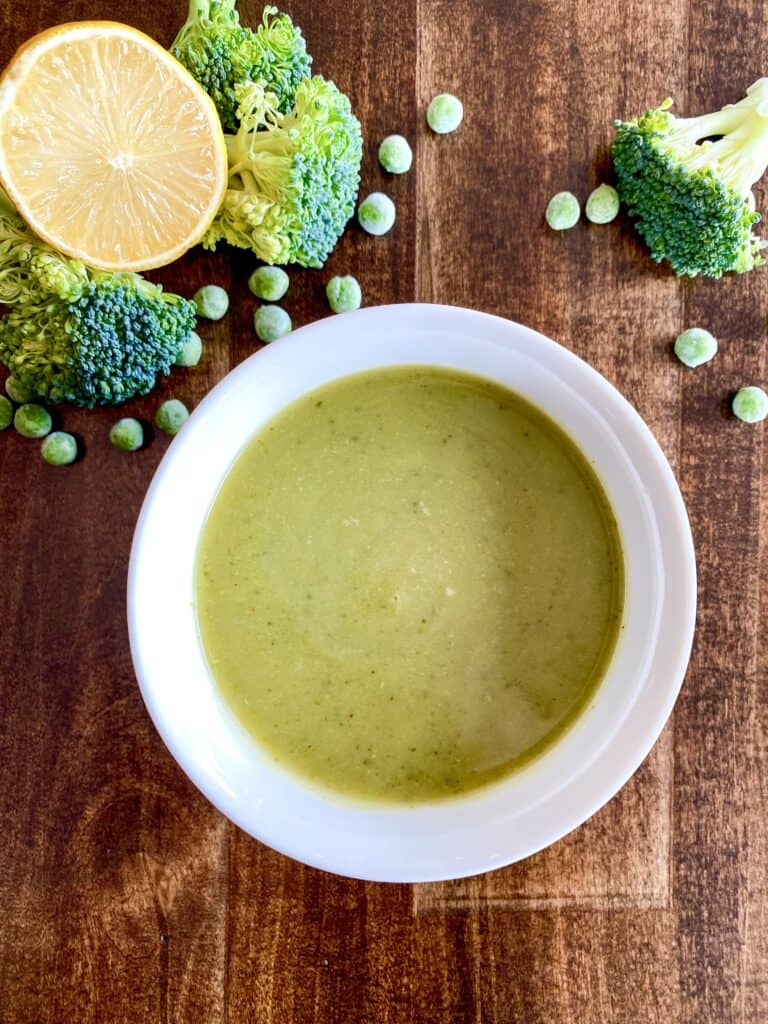
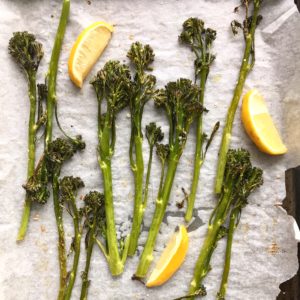
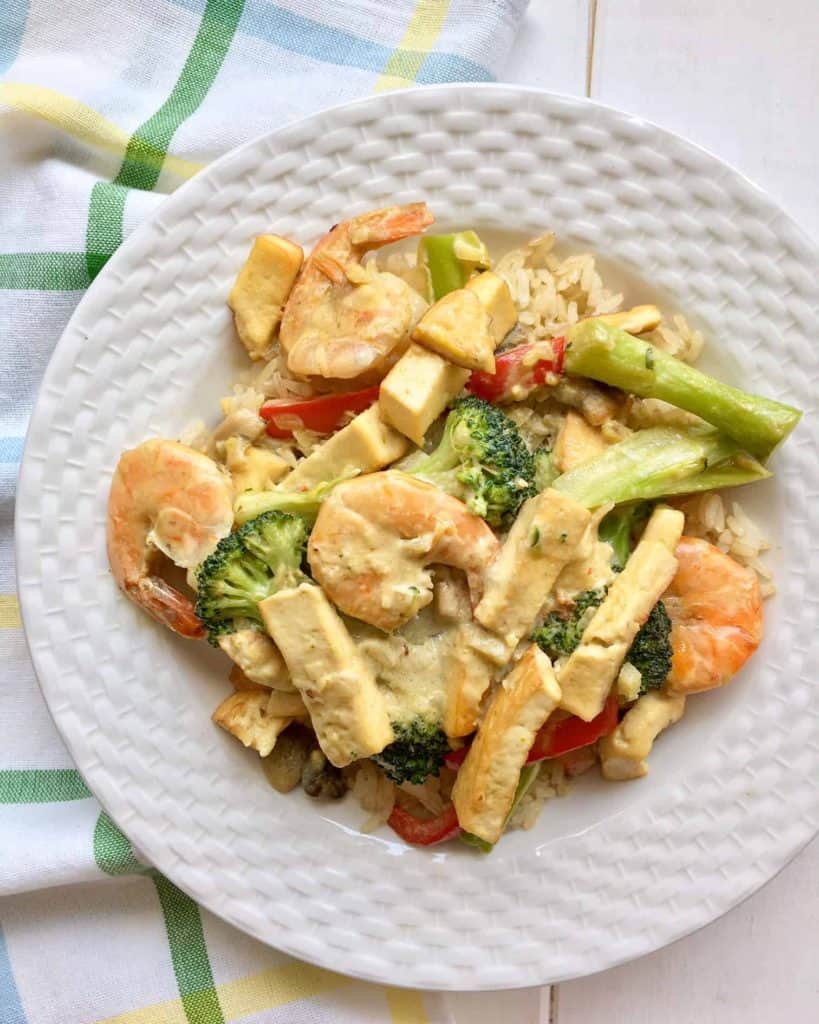
Keep offering foods in different ways, without pressure. Repeated, positive exposure helps children build confidence and feel more comfortable exploring new foods.
You can involve your children in preparing vegetables by asking them to spread chopped vegetables on a baking sheet, add mushrooms and peppers to homemade pizza or help season vegetables before roasting.
You can also experiment with dips, herbs, spices and different cooking methods to discover what your family enjoys.
And if your child doesn’t like a particular food the first time, don’t give up! Children may need repeated opportunities to become familiar with a food before they feel comfortable trying it. Keep offering it without pressure, and remember that preferences can change over time.
Dietitian Tip: Think of repeated exposure as offering opportunities, not insisting on repeated bites. Your child can learn about a food even when they choose not to eat it.
5. Embrace the Power of Role Modelling
A wise person once told me that children learn more from what we do than what we tell them to do. When it comes to food, this is an important reminder!
Children observe how we shop, prepare meals, talk about food and respond to different tastes. As parents and caregivers, we can help create positive food experiences by modelling curiosity and enjoyment ourselves.

Here are a few ways to put this into practice:
- Enjoy produce together. Let your child see you enjoying the fruits and vegetables you serve. You might say, “I love how crunchy these roasted Brussels sprouts are!”
- Talk positively about food. Describe what you enjoy about a food, such as its flavour, colour or texture, rather than focusing only on its health benefits.
- Share your own food experiences. Tell your children about a food you didn’t enjoy as a child but appreciate now. This helps show them that preferences can change over time.
- Explore new foods together. Instead of expecting your child to try something new, consider exploring it together. You can look at it, smell it, prepare it or taste it if you both feel comfortable.
Role modelling also includes showing children that all foods can have a place in our lives. Avoid labelling foods or people as “good” or “bad” based on what they eat. Instead, focus on variety, nourishment, enjoyment and how different foods can support our bodies.
Remember, you don’t need to be a perfect role model. Simply creating opportunities to enjoy food together can make a difference.
6. Create Structure for Meals and Snacks
A predictable meal and snack routine can help children know what to expect throughout the day while giving them regular opportunities to eat.
When planning family meals, aim to include a variety of foods from different food groups. For example, a meal might include a protein-rich food, a source of carbohydrates and a vegetable or fruit.
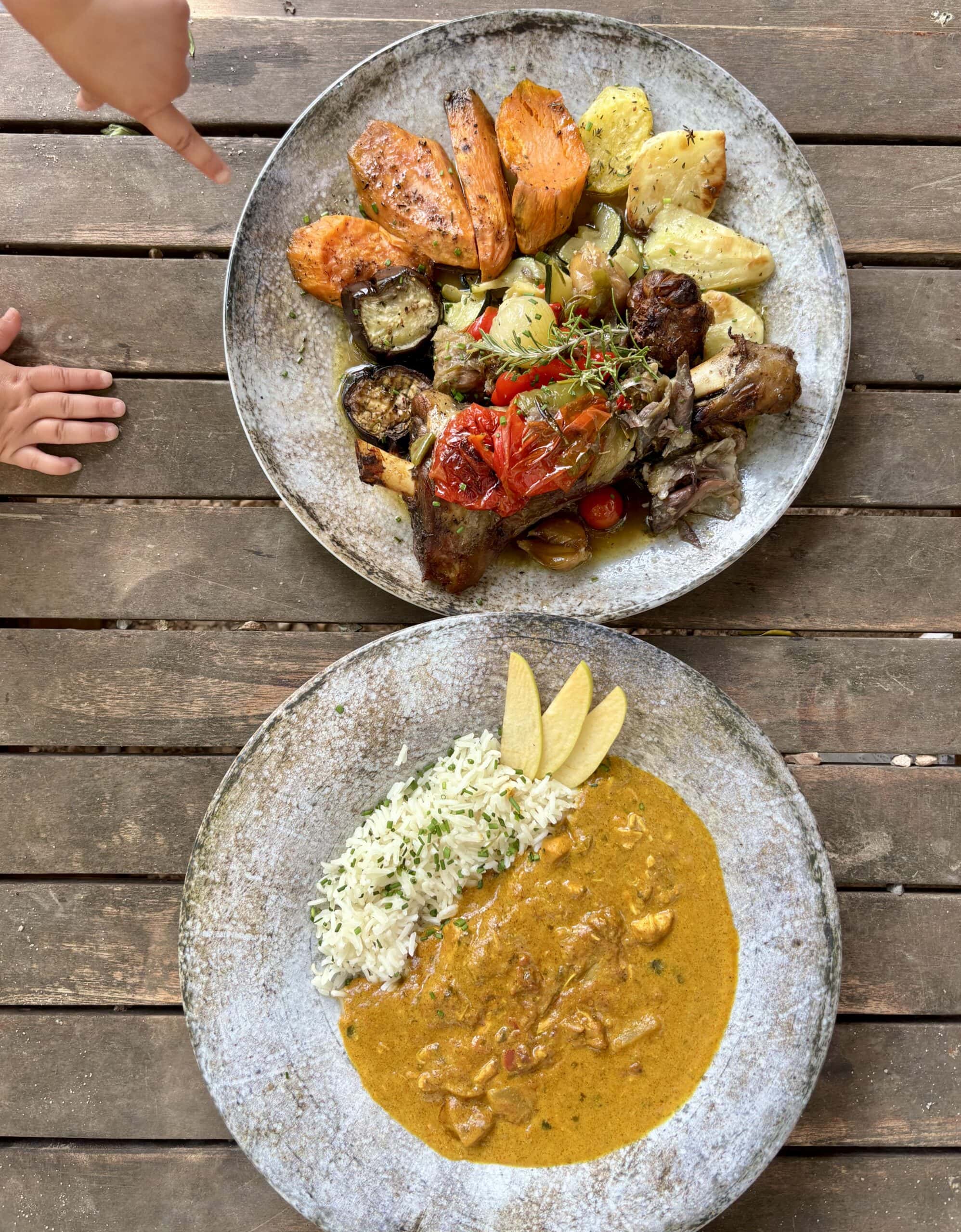
You can also make produce more accessible by offering different options throughout the day. This might mean including fruit at breakfast, vegetables with lunch and one or two vegetable options at dinner when practical.
Offering choices can help children feel involved without putting them in charge of the entire meal.
For example, when packing my daughter Sofia’s lunch, I might ask whether she’d prefer cherry tomatoes or cucumbers. Recently, she helped me pack her lunch by peeling cucumber and cutting peppers to add to her bento box. I felt so proud watching her little hands place the vegetables into her lunch, knowing she’d helped prepare something she could enjoy the next day.
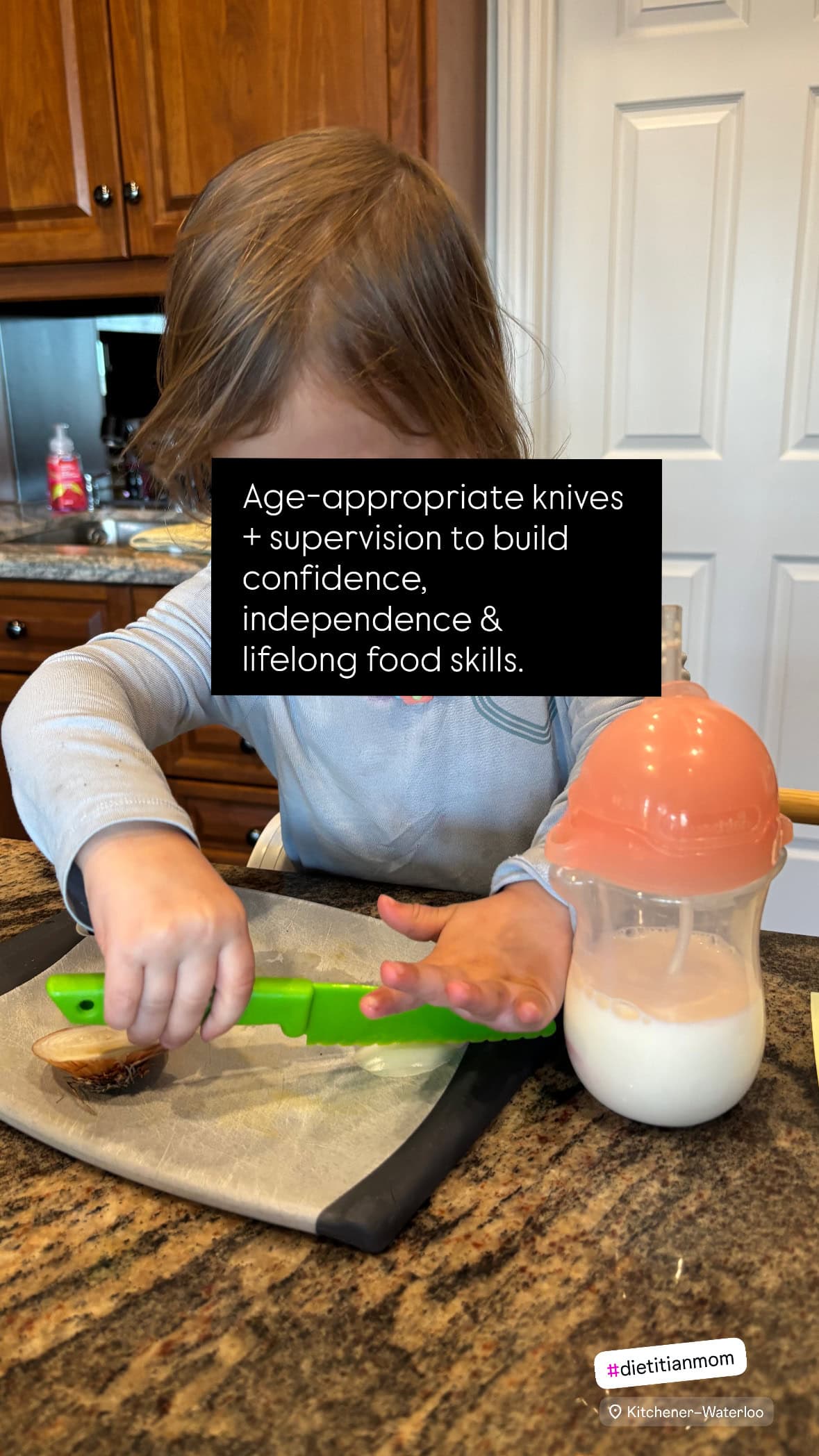
Small moments like these can help children feel capable and involved in family food routines.
You can also invite children to help plan a meal, choose a vegetable at the grocery store or decide which fruit to add to their yogurt.
Dietitian Tip: Keep familiar foods available alongside less familiar options. A child who is still learning to enjoy vegetables may feel more comfortable when there’s also a food they already know and enjoy.
Remember, the goal isn’t to have your child eat a certain number of vegetables at every meal. It’s to establish a routine that provides regular opportunities to eat and explore a variety of foods.
7. Watch Your Language Around Food
The words we use around food can shape how children think and feel about eating.
When we describe foods positively, talk about their sensory qualities and avoid pressure, we help create an environment where children can explore food with curiosity rather than fear of getting it wrong.
At our house, I might say, “Mommy loves these air-fryer Brussels sprouts! They’re so crunchy and delicious.”
My family also enjoys saying “compliments to the chef” when we love a meal. It’s a fun way to show appreciation for whoever prepared the food, and my daughters love getting involved!
We can also help children use flexible language when they encounter foods they don’t enjoy.
For example, instead of declaring, “I don’t like parsnips,” you could encourage your child to say, “I don’t want parsnips right now.”
This isn’t about asking children to pretend they like something. It’s about leaving room for preferences to change without creating pressure to eat a food they don’t want.

You can also encourage children to describe what they notice about foods:
- Is the strawberry sweet or sour?
- Is the cucumber crunchy or juicy?
- Does the roasted carrot taste different from a raw carrot?
- Which foods feel soft, smooth or crispy?
These conversations help children explore their senses and learn more about the foods around them.
Finally, pay attention to how you talk about your own eating habits. If we frequently describe foods as something we “have to” eat, or talk about vegetables as a punishment or obligation, children may begin to develop similar associations.
Instead, focus on enjoyment, nourishment and variety. We want children to understand that eating can be both enjoyable and supportive of their health.
Key Takeaway: The way we talk about food, our bodies and our own eating habits helps shape how our children learn to think and feel about food.
The Bottom Line: Building a Positive Relationship with Food Takes Time
Helping children develop a love for fruits and vegetables isn’t about getting them to eat every food we serve. It’s about laying a positive foundation that allows them to explore, learn and develop confidence around food over time.
As parents and caregivers, we can support this process by making food fun, involving children in the kitchen, offering variety, modelling enjoyment and keeping mealtimes low-pressure.
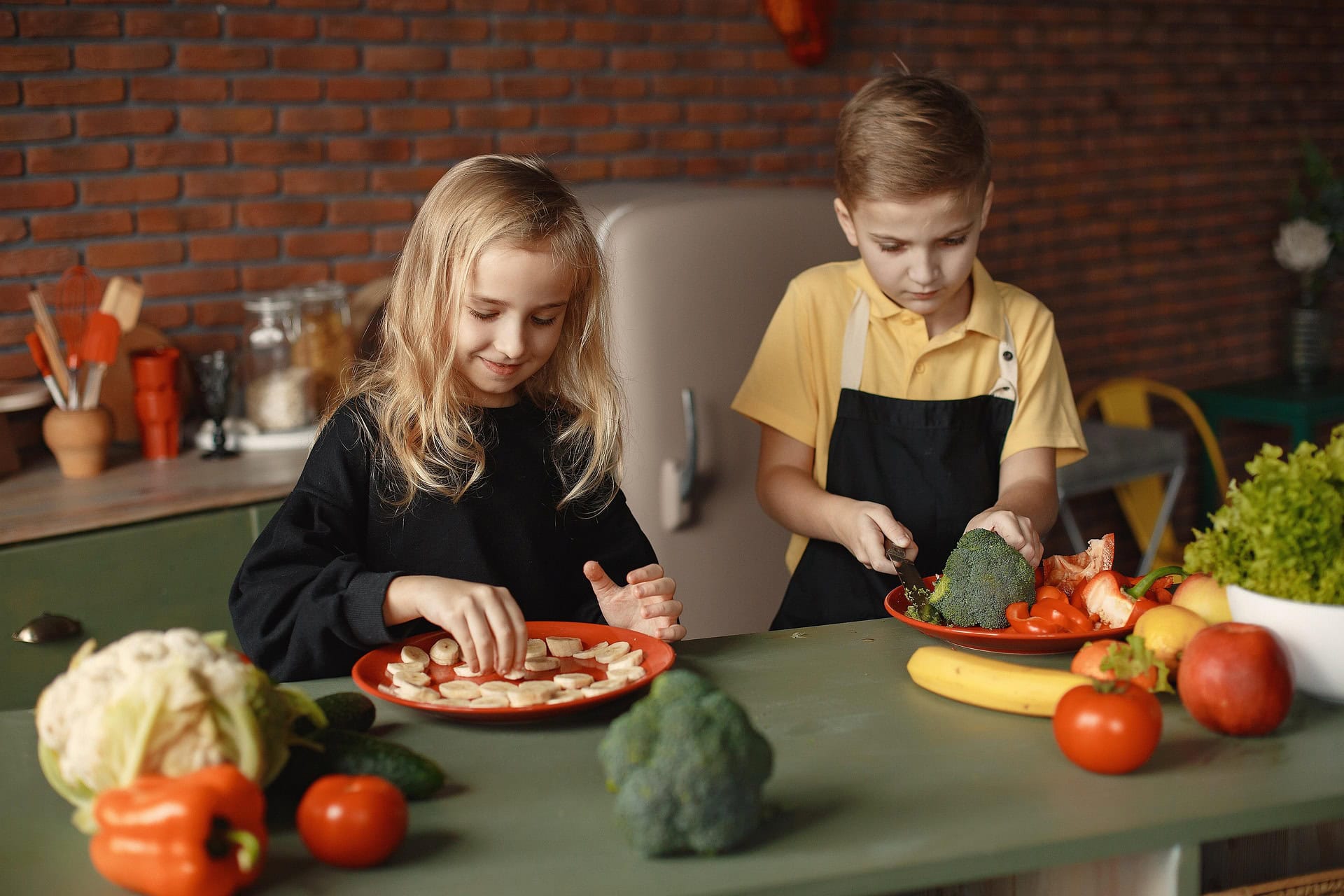
And remember: progress won’t always look like your child eating a new vegetable. Sometimes, progress means touching it, helping prepare it, smelling it or simply allowing it to sit on their plate without worry.
Every child develops food preferences at their own pace. Keep offering a variety of foods, maintain a predictable meal and snack routine, and give your child the space to explore and learn. Need extra support? Our Dietitian team is always happy to help with individualized nutrition guidance tailored to your family’s needs!
Most importantly, give yourself some grace! Parenting comes with endless challenges, and feeding your family is no exception. You don’t need to do everything perfectly to help your children build a healthy relationship with food.
I hope these tips give you a few fresh ideas for making fruits and vegetables a more enjoyable part of family life. Here’s to raising curious eaters, creating happy memories in the kitchen and enjoying nature’s colourful harvest together!
Related Topics

Andrea D'Ambrosio is a Registered Dietitian, health-enthusiast and adoring foodie. She started Dietetic Directions as a way to share science-based information mixed with inspirational content for lifelong change.
Book a Dietitian ConsultationRelated Recipes

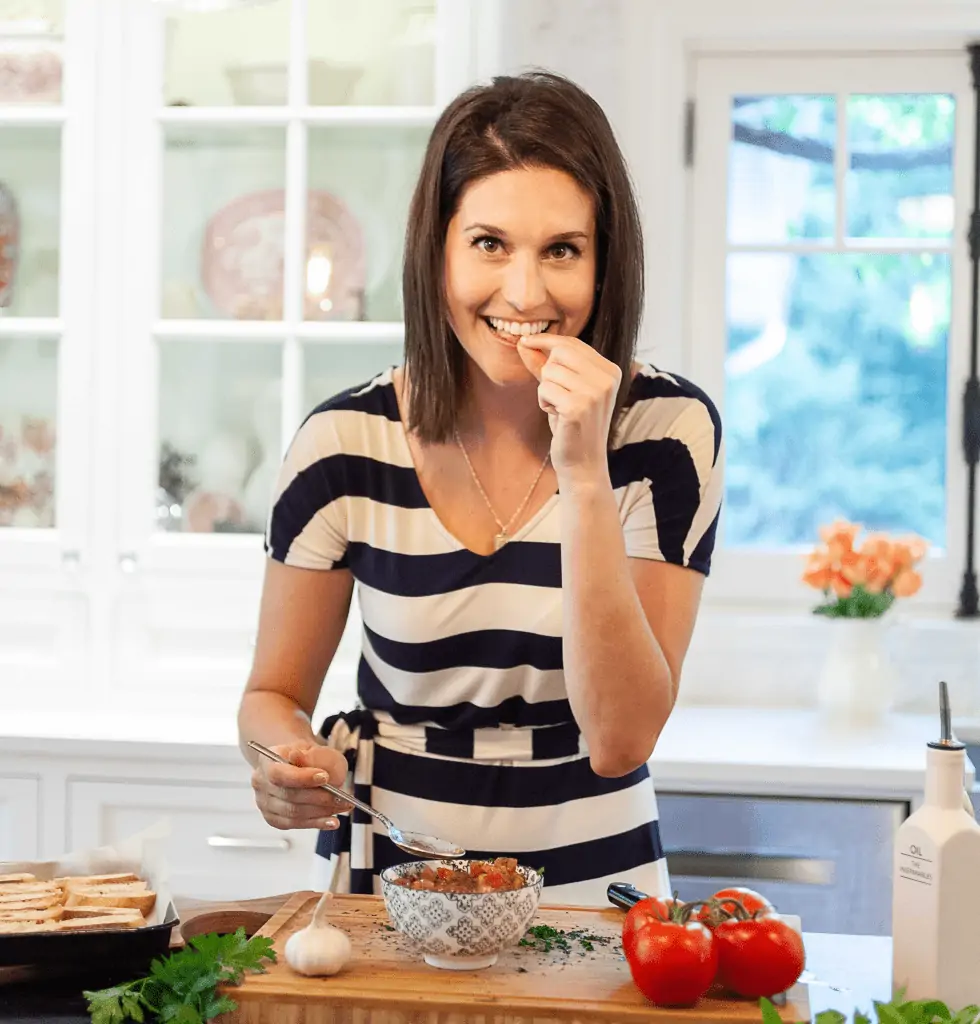
Hi! I’m Andrea,
Registered Dietitian, health enthusiast, and proud foodie. I created Dietetic Directions to bring together science-based nutrition and real-life strategies that make healthy eating feel achievable and enjoyable. I believe in finding balance, building sustainable habits, and helping you feel your best—without perfection.
Know More About Me